


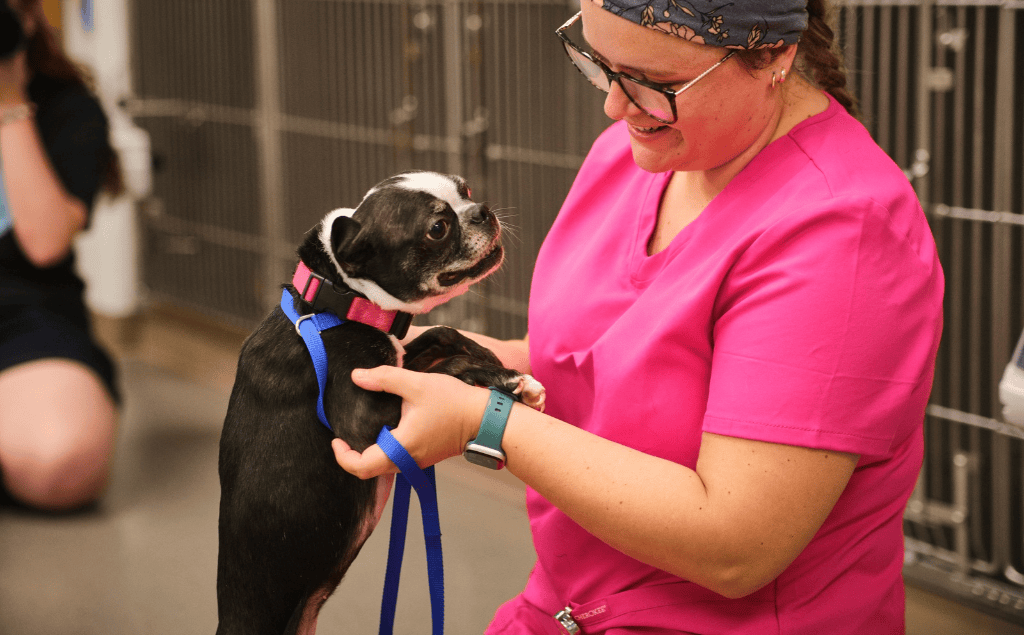
Primary, Urgent or Emergency Vet: When Does Your Pet Need What?
Quick answer: Primary vets handle routine care like checkups and vaccines during business hours. Urgent care clinics treat same-day, non-life-threatening issues such as minor wounds or mild lameness. Emergency vets treat life-threatening conditions—trouble breathing, uncontrolled bleeding, seizures—and are often open 24/7. When in doubt, call an emergency vet; the call is always free.
Your dog starts limping after a walk. Your cat won't stop vomiting. It's 9 at night on a weekend, and you don't know whether to wait until Monday, find an urgent care clinic, or race to the nearest emergency vet. Every pet owner faces this moment eventually, and the confusion itself can be stressful.
Knowing the difference between primary care, urgent care, and emergency vet services is essential. Each level of care exists for a reason, and understanding when to use which one means you can act decisively instead of second-guessing yourself while your pet is suffering.
This guide breaks down exactly what each type of veterinary care covers, when to use it, and how to prepare now, so you're never caught off guard later.
What Does a Primary Vet Handle?
Like your own primary care provider, your pet’s primary vet is their main healthcare partner; the one who knows their history, personality, and baseline health. Primary vet care covers the ongoing, non-urgent needs that keep pets healthy over the long term, such as:
1. Routine Check-Ups and Vaccinations
Regular wellness exams, typically annual or biannual, help your vet identify potential health concerns before they become more serious. Puppies and kittens also need early visits to establish a vaccination schedule, receive deworming treatments, and start flea, tick, and heartworm prevention.
Vaccinations protect against diseases like rabies, parvovirus, and feline leukemia, with timing and recommendations based on your pet’s age, lifestyle, and health needs. These services are typically provided by your primary care veterinarian.
2. Dental Cleanings and Non-Urgent Medical Conditions
According to the American Veterinary Medical Association (AVMA), dental disease affects many pets by age three, but it rarely is an emergency with treatment. Primary vets handle cleanings, extractions, and management of chronic conditions like allergies, arthritis, or thyroid issues.
3. Behavioral Consultations and Nutritional Guidance
If your dog is suddenly anxious or your cat has stopped eating normally (but isn't in distress), your primary vet is the right first call. They can also guide you on diet changes, weight management, and life-stage nutrition.
When to Schedule Primary Care
Book primary vet appointments during normal business hours for anything that isn't urgent or life-threatening. If your pet's symptoms* are mild, consistent, and not worsening, this is your starting point.
*If you're unsure whether your pet's symptoms are urgent, contact your local emergency veterinary hospital for guidance. Symptoms can be serious even when they appear mild or stable.
When Should You Use Urgent Care for Pets?
Urgent care fills the gap between routine checkups and emergency treatment. It's designed for conditions that need same-day attention but aren't immediately life-threatening.
1. Minor Injuries, Mild Infections, and Skin Conditions
A small cut, mild ear infection, or an irritated skin rash all fall into urgent care territory. These issues need medical attention soon, but they won't deteriorate within hours.
2. Mild Digestive Upset or Lameness
If your dog is limping slightly but still bearing weight, or your cat has mild vomiting or diarrhea without other symptoms, urgent care can usually address it without the intensity (or cost) of a full emergency workup.
3. Nail Injuries and Small Wounds
Torn nails, minor paw pad injuries, and small wounds that need cleaning and bandaging are common urgent care visits. Left untreated, they can become infected, but they don't require emergency-level intervention.
When to Visit Urgent Care
Some primary care veterinarians reserve appointment slots for sick visits, so contact your regular vet first to see if they can accommodate your pet.
Choose urgent care in the evenings, on weekends, or whenever your primary vet is unavailable, but your pet's condition* still needs attention sooner than a scheduled appointment allows.
*If you're unsure whether your pet's condition requires urgent or emergency care, contact a veterinary professional for guidance. If symptoms worsen or your pet shows signs of a medical emergency, seek emergency veterinary care immediately.
When Is It a True Veterinary Emergency?
This is the category that causes the most hesitation, and it shouldn't. If you're unsure whether your pet's situation qualifies as an emergency, treat it like one. Emergency vets are trained to triage, meaning they're equipped to quickly assess severity and prioritize care. You will never be turned away for being "too cautious."
It's also worth remembering that symptoms don't always start out severe. Trauma cases, like a pet hit by a car, can look stable initially and then decline rapidly. Conditions like hemoabdomen (internal bleeding in the abdomen) and pericardial effusion (fluid around the heart) are notorious for presenting mild symptoms before turning critical within hours.
This is exactly why emergency vets exist: to catch and treat these situations before they become fatal.
Examples of Life-Threatening Situations
- Severe trauma, such as being hit by a car or falling from a height
- Difficulty breathing or loss of consciousness
- Uncontrolled bleeding or suspected poisoning
- Inability to urinate or defecate, or visible signs of extreme pain
- Sudden paralysis or seizures
When to Go to the Emergency Vet
Go immediately, day or night, to your local emergency veterinary hospital. These hospitals typically operate on a 24/7/365 schedule, specifically because pet emergencies don't follow business hours. If your gut tells you something is seriously wrong, trust it.
How Do You Decide Between Primary, Urgent, and Emergency Care?
The right choice depends on three factors: how severe the symptoms are, how quickly they're progressing, and whether your pet is in visible distress or pain.
1. Response Time and Availability
Primary vets mostly operate on scheduled appointments during business hours. Urgent care clinics typically offer same-day service with extended evening or weekend hours. Emergency vets are typically available around-the-clock, every day of the year, with no appointment needed.
2. Referrals Between Vet Levels
Many veterinarians will refer you elsewhere when your pet needs a higher level of care. If your primary vet identifies something beyond their scope, they'll send you to an emergency or specialty vet. This referral system exists to protect your pet, not to pass you off.
3. Cost Considerations
Emergency vet visits cost more upfront because they involve 24/7 staffing, advanced diagnostics, and immediate intervention. However, for a life-threatening situation, that cost reflects the level of care your pet needs to survive.
How to Identify a True Emergency
Ask yourself: Is my pet struggling to breathe? Are they unconscious or unresponsive? Is there uncontrolled bleeding? Could they have ingested something toxic? If the answer to any of these is yes, or even "maybe," head to the emergency vet.
Keep Emergency Contact Information Ready
Save the number and address of your nearest emergency veterinarian in your phone now. In a crisis, you shouldn't be searching for this information for the first time.
How Can Pet Owners Prepare for an Emergency in Advance?
Preparation won't prevent every emergency, but it will help you respond faster and with less panic when one happens.
1. Know the Location of Your Nearest Emergency Vet
Drive the route once so you're not relying on GPS during a crisis. Note their hours and confirm they treat your pet's species.
2. Keep a Pet First Aid Kit at Home
Basic supplies like gauze, a muzzle, digital thermometer, and your vet's contact information can make a critical difference in the minutes before you reach professional care.
3. Maintain Your Pet’s Medical Records
Keep a copy of your pet's vaccination history, medications, and known conditions accessible. Emergency vets can treat your pet faster when they're not starting from zero.
4. Establish a Relationship with a Primary Vet Before Emergencies Arise
Pets with an established primary vet relationship benefit from continuity of care, even during emergency visits. Your primary vet's records can inform emergency treatment decisions, although those records may not be accessible to the emergency veterinarian after hours.
Having these records on hand, either digitally or physically, can help inform treatment decisions during your emergency visit.
Key Takeaways
1. What does a primary care veterinarian treat?
Primary care veterinarians handle routine and preventive care, including annual wellness exams, vaccinations, parasite prevention, routine diagnostic testing, and ongoing management of chronic conditions.
They’re a great starting point for mild, stable symptoms that don’t require emergency attention. If your pet’s symptoms worsen or you’re unsure how urgently they need care, contact your primary veterinarian or seek emergency veterinary care when appropriate.
2. When should I go to an urgent care vet?
If there's an urgent care vet in your area, they may be able to treat non-life-threatening concerns, such as mild vomiting, diarrhea, or minor wounds. If your pet needs a higher level of care, they can refer you to an emergency veterinary hospital.
For severe or potentially life-threatening symptoms, seek emergency care immediately.
3. How much does an emergency vet visit typically cost compared to urgent care?
Emergency vet visits generally cost more than urgent or primary veterinary care because they include round-the-clock staffing, advanced diagnostic equipment, and immediate intervention for critical conditions.
4. How do I know if my pet's symptoms are serious enough for an emergency vet?
Look for signs such as difficulty breathing, unconsciousness, uncontrolled bleeding, seizures, suspected poisoning, or severe pain. However, not every emergency presents with extreme symptoms. If your pet's condition is worsening or you're unsure how serious it is, contact your local emergency veterinary hospital for guidance.
5. Can a pet seem fine and still have a medical emergency?
Yes. Some conditions, including internal bleeding and complications following trauma, can initially present with subtle symptoms before becoming critical. A pet that appears stable isn't necessarily out of danger. If your pet has experienced significant trauma or is showing unusual symptoms, seek veterinary guidance promptly.
6. How long does it take to be seen at an emergency vet?
Emergency vets use triage, meaning the most critical cases are seen first regardless of arrival time. A pet with a life-threatening condition will be prioritized immediately, while more stable cases may wait longer.
7. What are the risks of waiting too long to seek emergency care?
Some conditions, like hemoabdomen or pericardial effusion, can start with mild symptoms and progress to life-threatening within hours. Waiting to see if symptoms improve can reduce treatment options and worsen outcomes.
8. How can I prepare for a pet emergency?
Save your nearest emergency veterinary hospital's phone number and address in your phone. Keep your pet's vaccination history, current medications, and known medical conditions accessible. It's also helpful to know the route to the hospital before an emergency happens.
Trust Your Instincts When Your Pet Needs Care
Pet emergencies rarely announce themselves politely. They happen at 2 a.m., on holidays, or in the middle of a weekend trip. Knowing the difference between primary, urgent, and emergency vet care means you don’t have to waste precious time deciding what to do next.
If your pet's symptoms are mild and stable, your primary vet is the right call. If something needs same-day attention but isn't life-threatening, urgent care fills that gap. And if you're staring at a symptom on this list, or your gut says something is seriously wrong, get to an emergency vet immediately. Our network of emergency hospitals are independent, trusted, and available 24/7/365* for exactly these moments.
When in doubt, call. It's always free, and it could save your pet's life.
*Please visit www.evcc.com/locations for your local EVCC’s specific hours.
Recent Posts
About Us
At Emergency Veterinary Care Centers (EVCC), we know that pet emergencies are unpredictable and often stressful. That's why our team, with over 20 years of emergency and critical care experience, is ready to assist you and your pet in the toughest situations.