


You know when your pet isn’t acting like themselves. Maybe your dog keeps vomiting, or your cat suddenly seems weak. We’re here to listen to what you’ve noticed, look for the cause, and help you understand what comes next.
Emergency Veterinary Care Centers (EVCC) provides veterinary diagnostics for sick and injured dogs and cats in northwest Indiana and southwest Michigan. Our emergency veterinarians use laboratory testing, digital X-rays, and monitoring tools to investigate symptoms and guide treatment.
When Might My Pet Need
Diagnostic Testing?
Your pet may need diagnostic testing when an examination alone cannot explain their symptoms or the extent of an injury. Tests help us gather information we can’t get just by looking at or feeling your pet.
Contact us if your dog or cat has:
Repeated vomiting or diarrhea
Sudden weakness, collapse, or unusual tiredness
Difficulty breathing
Straining or difficulty urinating
A painful or swollen abdomen
An injury from a fall, accident, or bite
Possible exposure to a toxin or a swallowed object
Trouble breathing, collapse, an inability to urinate, and other severe symptoms need immediate attention. If you’re unsure how urgently your pet needs care, call your nearest open EVCC.
What Veterinary Diagnostics Does EVCC Offer?
EVCC offers testing that helps our veterinarians investigate illness, evaluate injuries, and monitor a pet’s condition during treatment. Your pet’s symptoms and examination findings guide which tests we recommend.
Red and white blood cells and platelets, including changes associated with anemia or inflammation
Organ function and imbalances in minerals and salts
Urine changes, including blood, glucose, crystals, and signs of urinary disease
Potential parasites or bacteria that can cause gastrointestinal issues
Respiratory illness, parasitic infections, organ dysfunction, and other conditions potentially caused by various pathogens
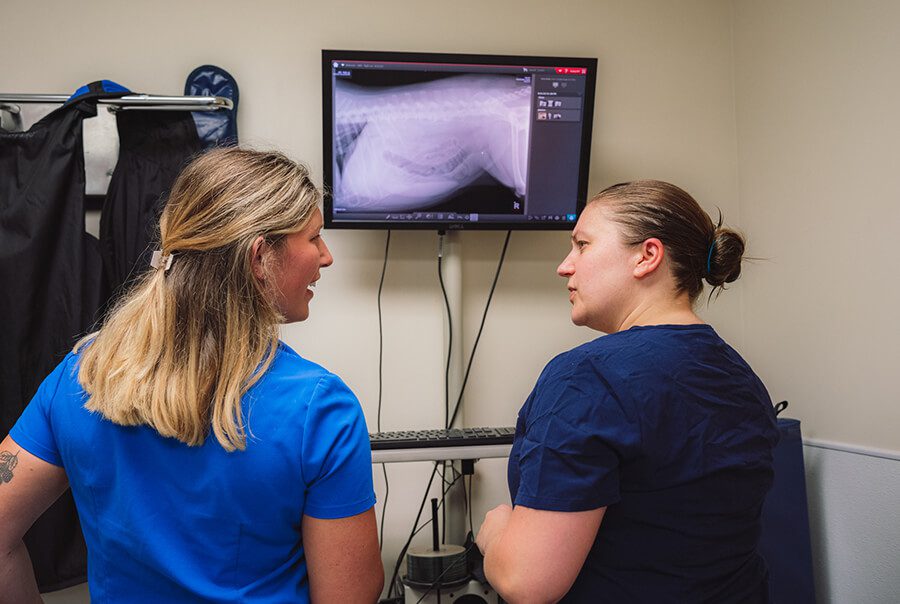
Bones, the chest, and the abdomen for signs of injury or illness
Circulation, blood oxygen levels, and heart rhythm
Upper airway and gastrointestinal tracts, can extract foreign bodies and obtain samples without surgery in certain cases
What Happens During My Pet’s Diagnostic Visit?
We start by checking your pet’s condition and asking what you’ve noticed at home. Our team then recommends testing based on the examination, medical history, and urgency of your pet’s needs.

We listen and examine your pet.
Tell us when symptoms began, how they’ve changed, and any relevant medical history. We assess patients according to medical urgency.

We explain our recommendations.
Your veterinarian discusses the proposed tests, what we hope to learn, and the associated costs.

We review the findings with you.
We explain what the results show, what remains uncertain, and the recommended next steps.
For a closer look at arrival and check-in, visit our What to Expect page.
How Do Test Results Guide My Pet’s Care?
Diagnostic results help us decide whether your pet needs treatment at home, emergency surgery, or hospitalization and monitoring. We consider the findings alongside your pet’s examination and response to treatment.
Sometimes the first tests provide a clear direction. Other times, we need additional testing or continued observation to understand what’s happening. We’ll explain why we recommend another step and how it could help your pet. We also share diagnostic results and visit information with your primary veterinarian to support follow-up care.
Let’s Find the Next Step for Your Pet
When your pet feels unwell, you can count on our emergency veterinarians for support. Our teams in northwest Indiana and southwest Michigan can assess your pet, recommend testing, and help you understand your options.
Frequently Asked Questions About Veterinary Diagnostics
Timing depends on the test. Many in-house tests provide information during your pet’s visit, while tests sent to an outside laboratory take longer. Our team will explain the expected timing and how it affects your pet’s care.
Some imaging procedures may require sedation to help your pet stay comfortable and still enough to obtain useful images. Your veterinarian will explain whether we recommend sedation and discuss your pet’s individual needs.
Bloodwork and X-rays answer different questions. Blood tests provide information about blood cells, organ function, and electrolytes, while X-rays show internal structures. Together, they may help us build a clearer picture of your pet’s condition.
Costs depend on the tests your pet needs and whether additional treatment or hospitalization is necessary. We’ll discuss recommended testing and associated costs with you. Please share any budget concerns so we can review the available options. You can also explore our payment and financing options.
No appointment or referral is required for an emergency evaluation during hospital operating hours. Our veterinarian will examine your pet before recommending tests. Call ahead if you can, and check your location’s current hours before traveling.
Explore More Emergency Vet Services
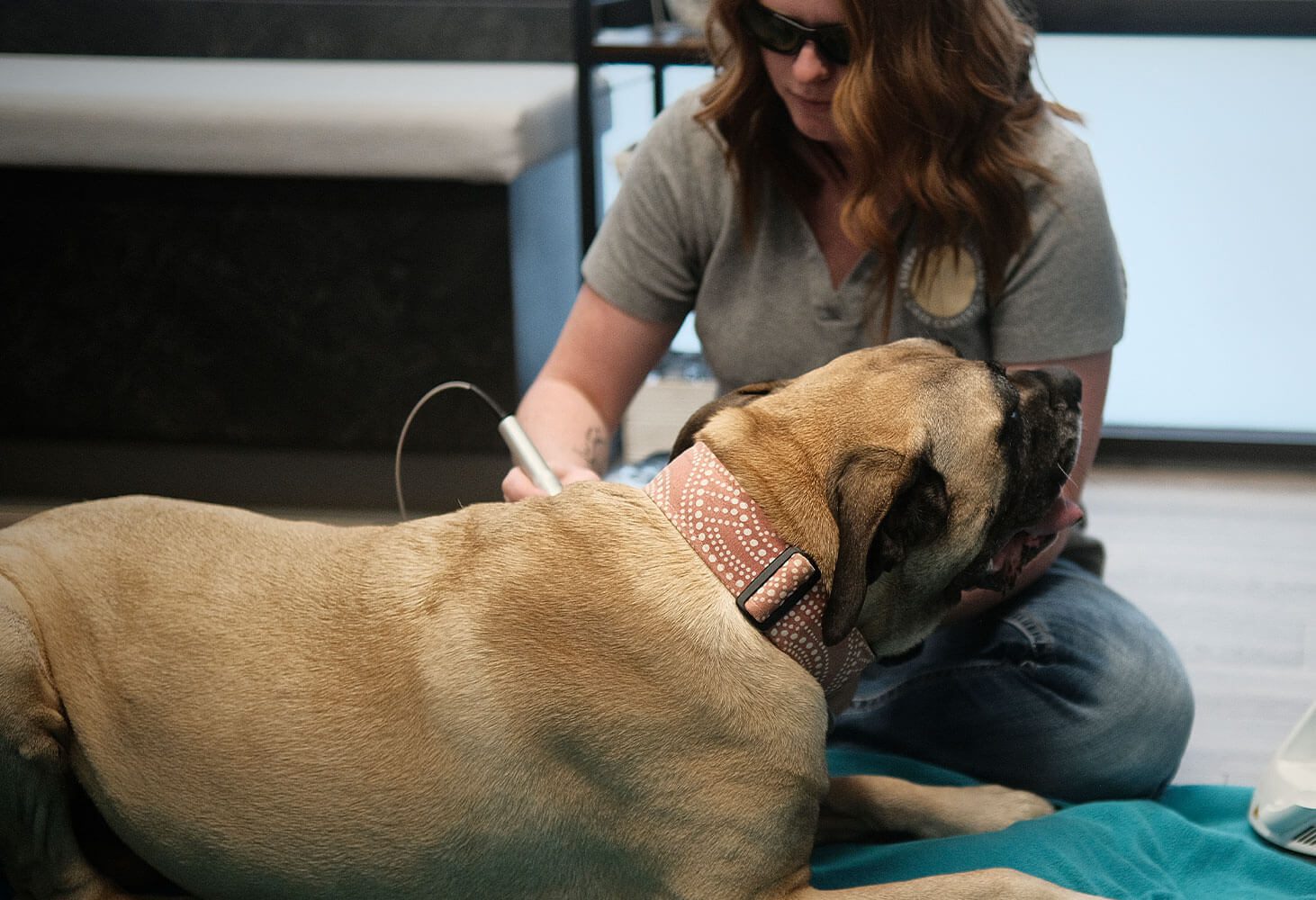

Comprehensive emergency care goes beyond pet blood tests and advanced imaging. Learn more about the services we offer to support your pet in their most critical moments.