


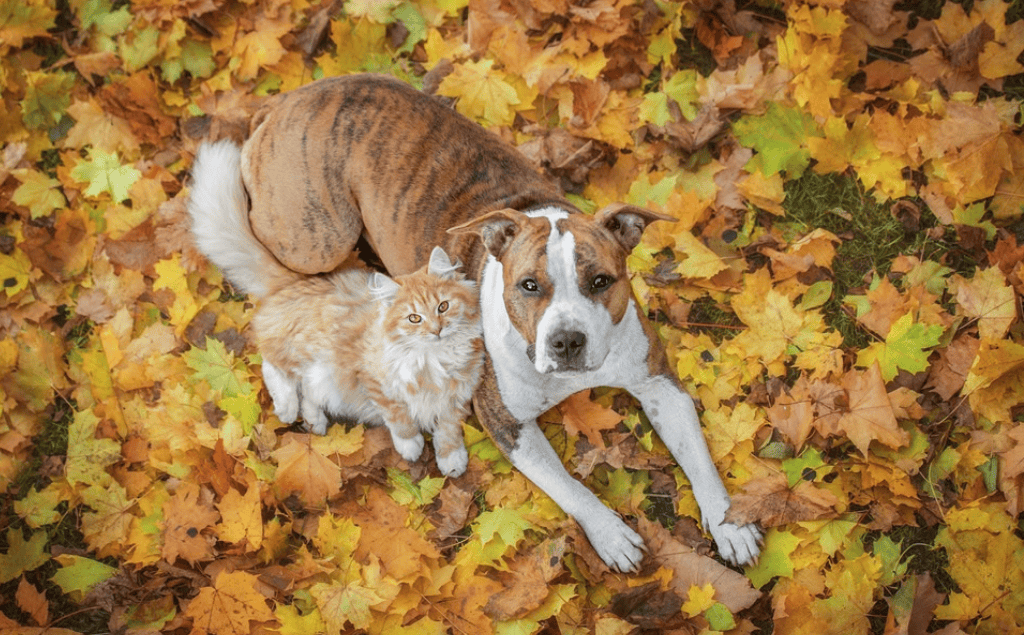
A Pet Owner’s Guide to Toxic (and Non-Toxic) Autumn Midwest Flora
The following guest blog was written by the ASPCA Poison Control (APC).
Quick answer: Several popular fall plants, including black walnut, yews, wild mushrooms, autumn crocus, mums, croton, and burning bush, are toxic to dogs and cats and can cause symptoms ranging from vomiting and diarrhea to seizures and organ failure.
Pet-safe fall flowers include aster, Russian sage, pansies, ‘autumn joy’ sedum, and fountain grass. If your pet eats a potentially toxic plant, contact your veterinarian or the ASPCA Poison Control (APC) at (888) 426-4435 immediately.
Fall is a transformative season which turns the bright greens of summer into deep reds, warm oranges, and rich golden hues. While these colors may be a feast for the eyes, feasting on some of fall’s most common plants may be harmful to pets.
Before venturing into nature or deciding on new fall decorative plants for the home, it is important to know which plants are safe and which are best to avoid.
5+ Toxic Fall Plants for Pets
1. The Black Walnut
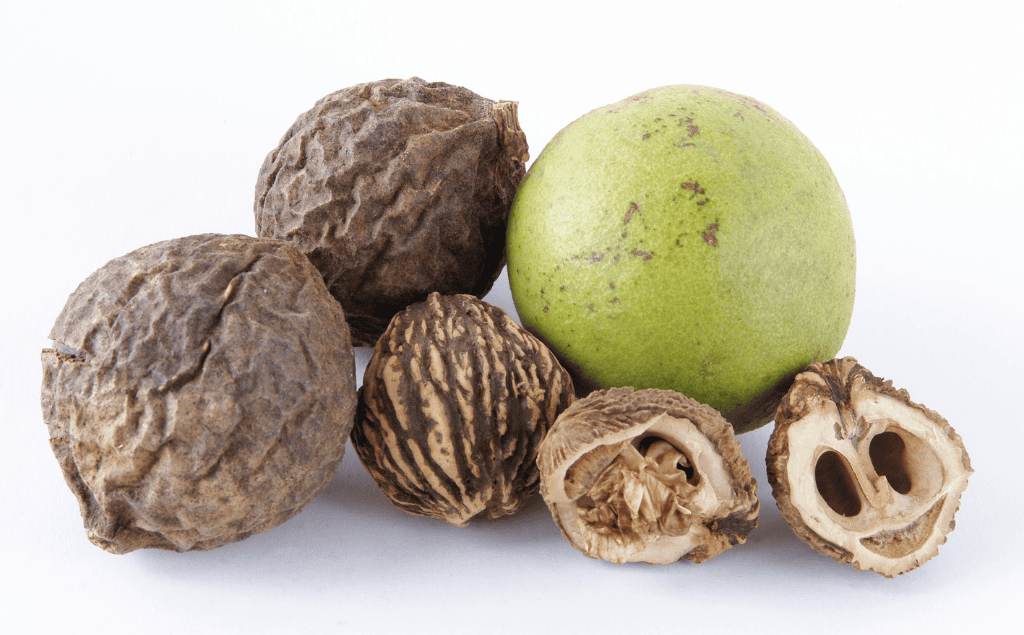
The black walnut (juglans nigra) is a large deciduous tree that is prized for its chocolate-brown colored hardwood. While it is beautiful, the wood, bark, and shaving are toxic to dogs and horses. In dogs, ingestion may cause vomiting, weakness in the back legs, unsteady walking, and tremors.
The large yellow-green hulls (which resemble tennis balls) that surround the walnut can grow mold. If the mold or moldy hull is ingested, it can cause tremors and seizures. If black walnut shavings are used in horse stalls, horses can develop painful and possible life-threatening inflammation in the soft tissues in the hoof called laminitis.
2. Yews
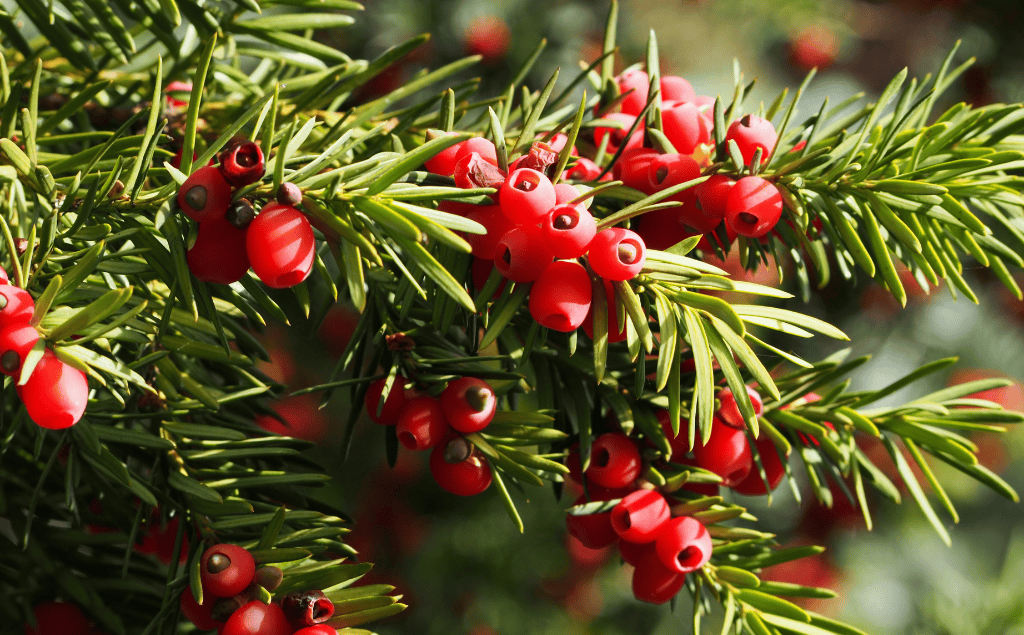
Yews (Taxus spp.) are a group of coniferous trees and shrubs that have needle-like leaves and produce bright red berries that contain seeds. These plants are often used in landscaped gardens.
Yews are toxic to all species including cats, dogs, horses, and cattle. The red pulp from the berry surrounding the seed is non-toxic, but the seed itself is very toxic if chewed. Ingestion of the wood, bark, leaves, or seeds by dogs or cats may cause trembling, incoordination, and heart arrythmias. Ingestion in cattle can cause heart failure and sudden death.
3. Wild Mushrooms
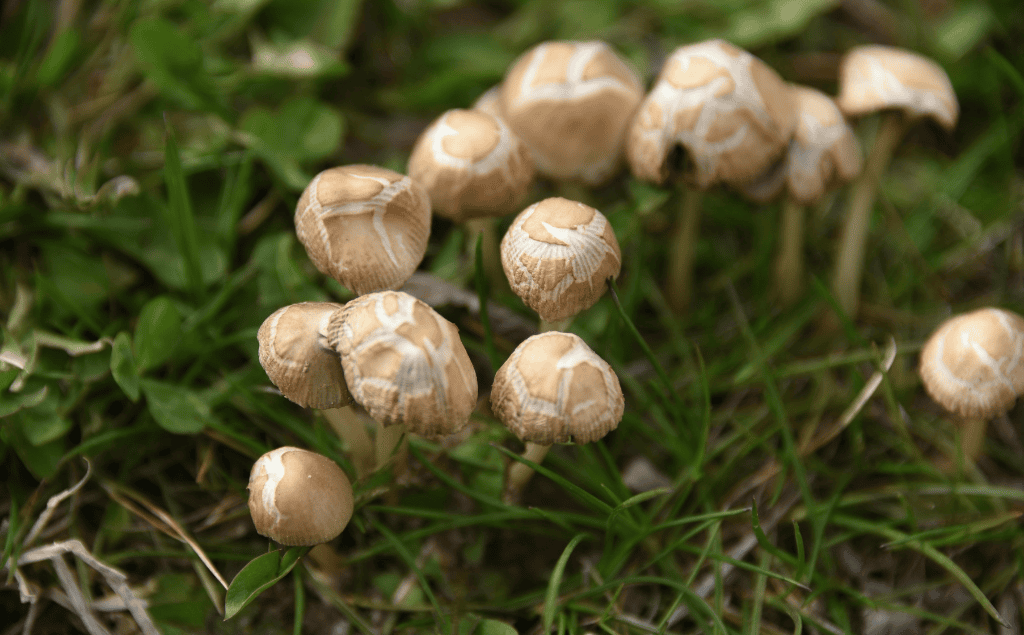
A large variety of wild mushrooms can cause an array of symptoms including vomiting in both cats and dogs, diarrhea, tremors/seizures, hallucination, and even liver failure. Depending on the type of mushroom, symptoms may develop within minutes to hours of exposure.
Some may be delayed up to 24-48 hours later. Any mushroom should be treated as a potentially toxic mushroom until it can be properly identified.
4. Autumn Crocus
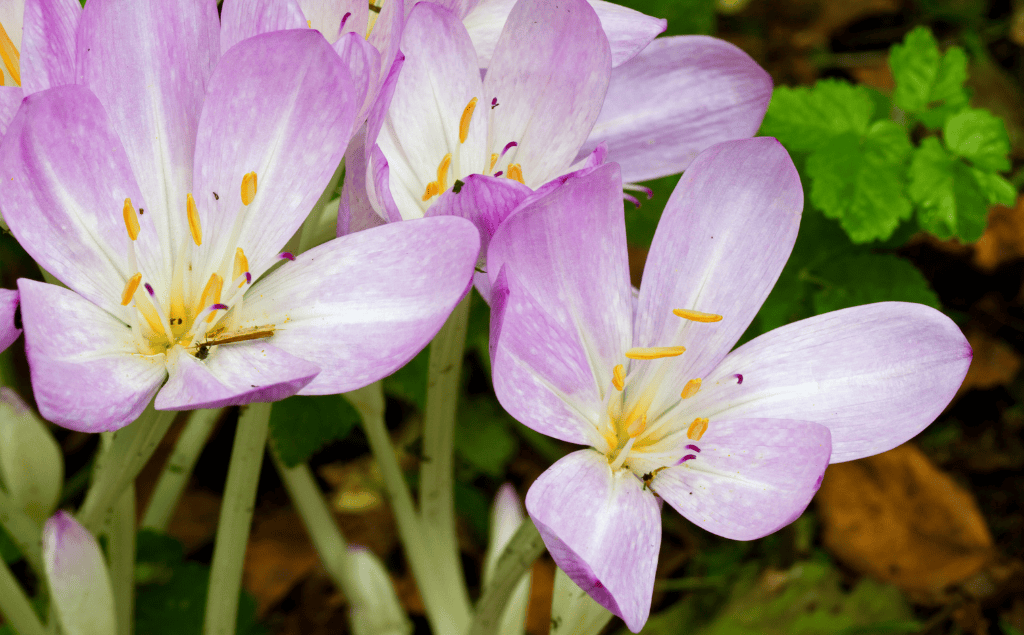
Autumn crocus (colchicum autumnale) is a perennial flower that blooms in the fall. While Autumn crocus resembles the spring crocus (crocus spp.), they are vastly different.
Spring crocus is non-toxic to dogs and cats, whereas ingestion of the autumn crocus can cause vomiting, diarrhea, weakness, and decreased production of blood cells. Severe cases may progress to multiple organ failure and can be fatal.
5. Mums
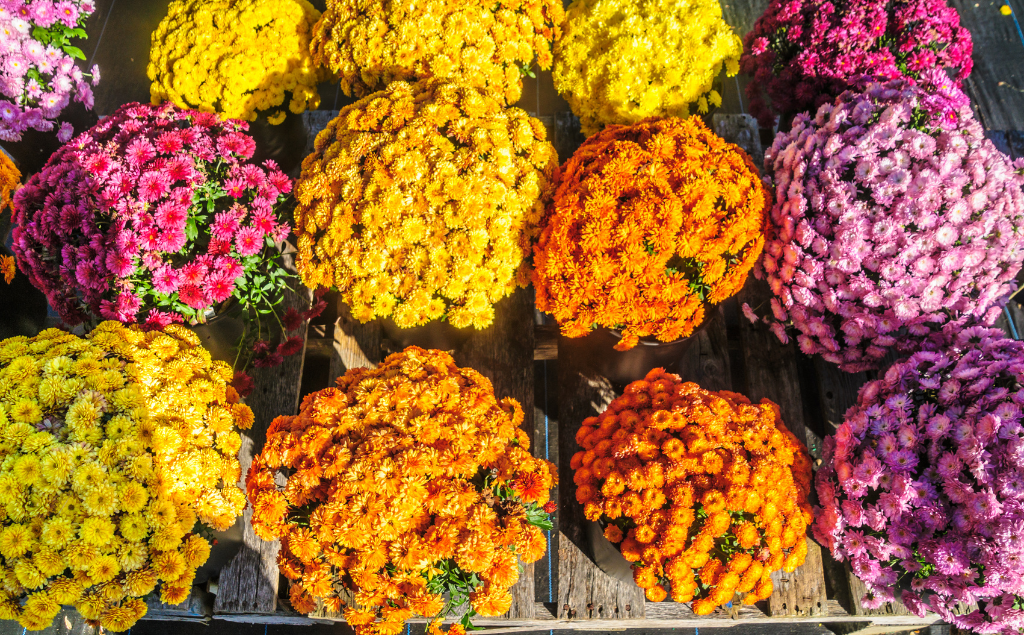
Mums (chrysanthmum spp.), also known as daisies, are perennial flowers that are popular for their range of colors including red, yellow, orange, purple, and white.
Mums are considered to be mildly toxic to dogs and cats. However, if ingested, vomiting, diarrhea, and drooling can happen.
6. Croton
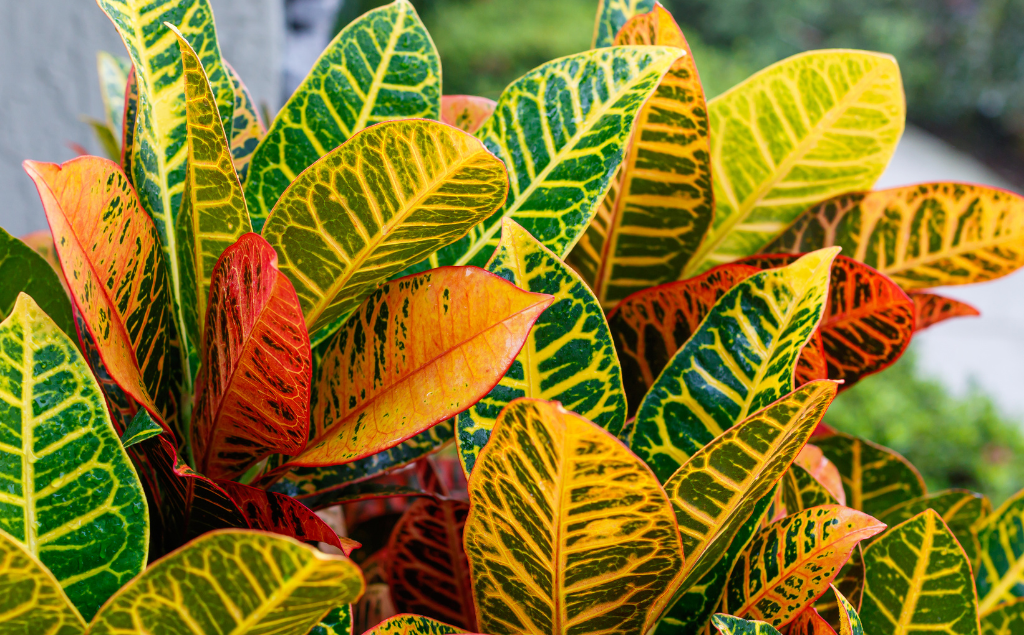
Croton (Codiaeum spp.) is commonly used as fall decoration due to their vibrant red, orange, and yellow leaves. The whole plant, especially the seeds, is toxic to ingest.
Although not life threatening, vomiting (sometimes severe) and diarrhea can occur. The sap produced by some Croton varieties can be irritating to the skin if exposed directly.
7. Burning Bush
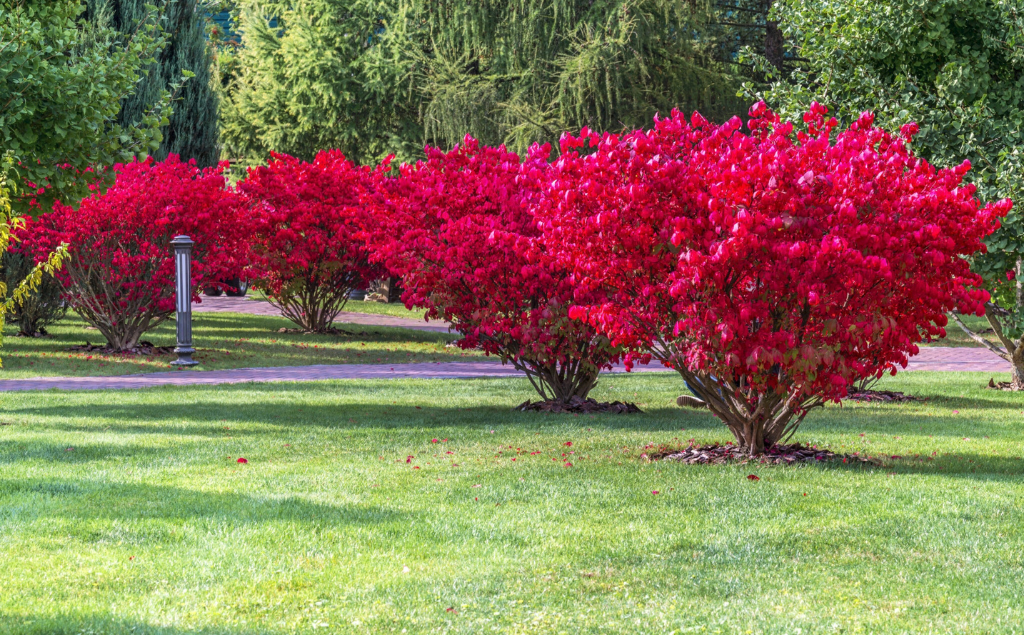
Burning bush (euonymous spp.) is a popular ornamental shrub used in landscaping due to its bright red, pink, and orange foliage. All parts of the plant are toxic if ingested, with the seeds being the most toxic part.
Ingestion can lead to moderate to severe vomiting, diarrhea, abdominal pain, and bloody diarrhea.
5 Pet Friendly Fall Plants*
1. Aster
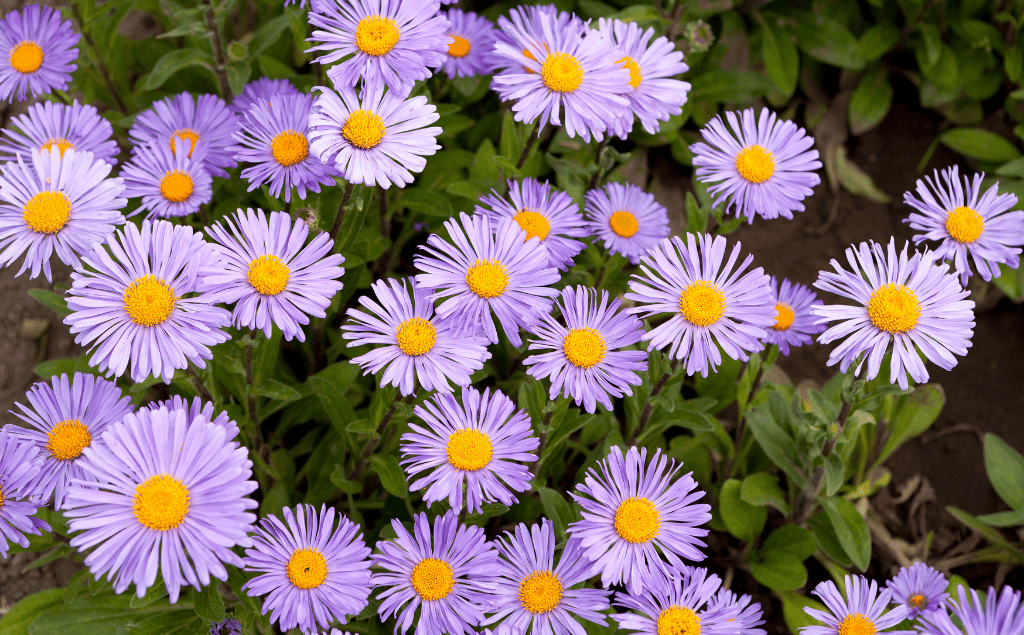
Aster (symphyotrichum oblongifolium) brings vibrant color and life to autumn gardens. Luckily, these plants are not considered toxic to dogs, cats, or horses.
2. Russian Sage
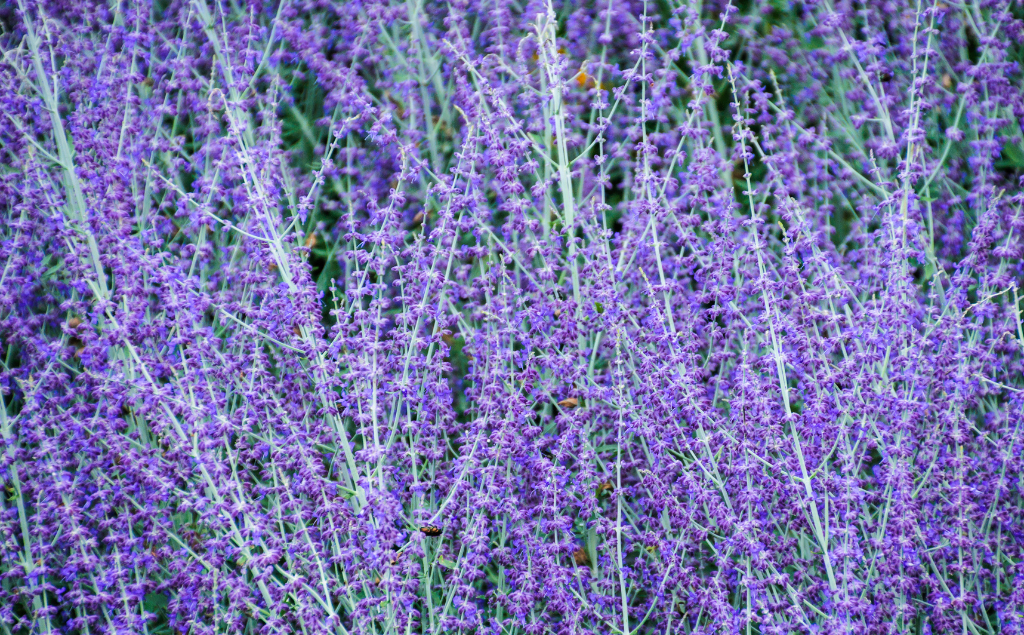
Russian sage (salvia yangi, also known as, perovskia atriplicifolia) is a great fall plant to add a pop of purple color. Thankfully, these plants are not considered toxic to pets.
3. Pansies
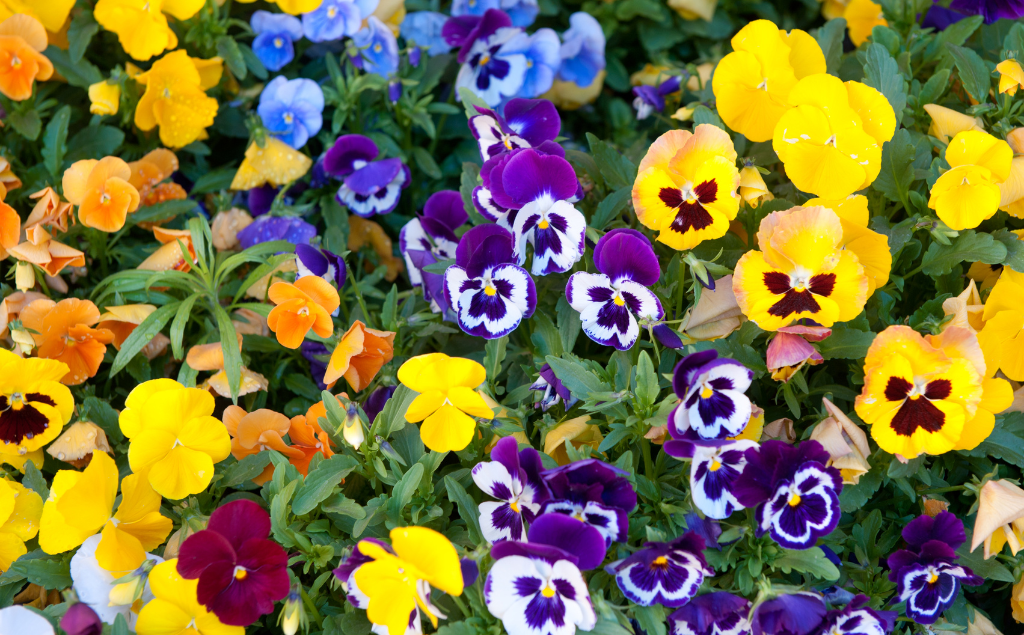
Pansies (viola tricolor var. hortensis) are considered non-toxic to pets and can bring amazing fall colors to your yard.
4. 'Autumn Joy' Sedum
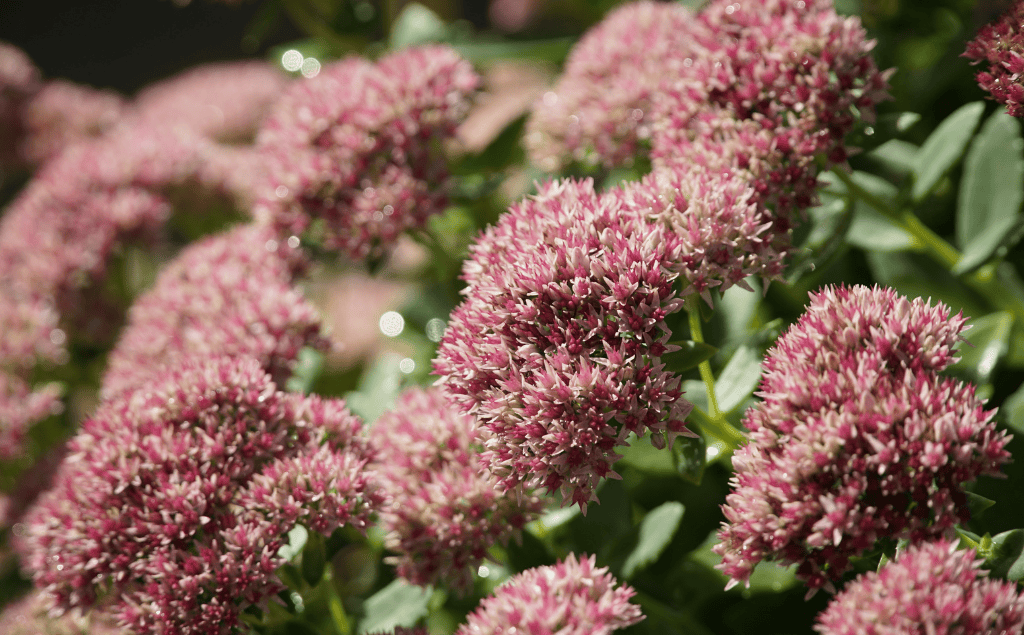
Hylotelephium spectabile, commonly known as ‘autumn joy’ sedum, are hardy, easy-to-care-for succulent with massive, broccoli-like blooms that turn from soft pink to rich copper-red in autumn. Like broccoli, these are also considered non-toxic to pets.
5. Fountain Grass
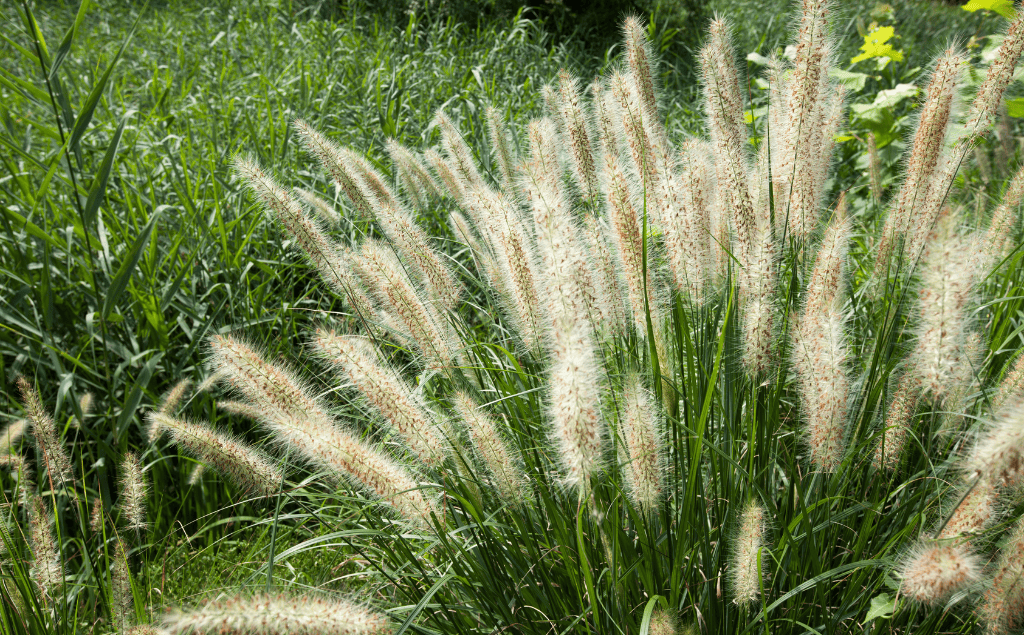
Fountain grass (pennisetum setaceum) grows very tall, produces lovely flowers, and is completely safe to use around pets to add height variety to gardens.
*While considered “not toxic,” all plant material consumed by pets may cause mild gastrointestinal problems, so it’s best to try and prevent them from consuming plants in or around your home.
Key Takeaways
1. What fall plants are toxic to pets?
Some common fall plants and fungi can be toxic to pets, including black walnut, yews, wild mushrooms, autumn crocus, mums, croton, and burning bush.
2. Are wild mushrooms dangerous for dogs and cats?
Yes. Some wild mushrooms can cause vomiting, diarrhea, tremors, seizures, hallucinations, liver failure, and other serious effects. Because it can be difficult to identify toxic mushrooms, any wild mushroom your pet eats should be treated as potentially toxic.
3. Are mums poisonous to dogs and cats?
Mums are considered mildly toxic to dogs and cats. Eating them can cause vomiting, diarrhea, and drooling.
4. Are autumn crocuses toxic to pets?
Yes. Autumn crocus can cause vomiting, diarrhea, weakness, and decreased blood cell production. Severe poisoning can lead to multiple organ failure and may be fatal.
5. Are yews toxic to dogs and cats?
Yes. Yews are toxic to cats, dogs, horses, and other animals. Ingestion can cause trembling, incoordination, and potentially dangerous heart arrhythmias.
6. What should I do if my pet eats a plant or mushroom?
Contact your closest EVCC location or the ASPCA Poison Control (APC) at (888) 426-4435 immediately. Don't wait for symptoms to appear, as some plant toxins can cause delayed effects.
7. What fall flowers are not toxic to dogs and cats?
Aster, russian sage, pansies, ‘autumn joy’ sedum, and fountain grass are considered non-toxic to cats and dogs. However, even non-toxic plants can cause mild stomach upset if eaten.
8. Does “non-toxic” mean a plant is completely safe for pets?
Not necessarily. While a plant may not contain toxins that cause poisoning, eating plant material can still lead to mild gastrointestinal upset. It's best to discourage pets from chewing plants.
8. What are signs that my pet may have been poisoned by a plant?
Symptoms can vary depending on the plant but may include vomiting, diarrhea, drooling, weakness, unsteady walking, tremors, seizures, abdominal pain, or changes in heart rhythm. Some toxins may cause symptoms a few hours, or even 24–48 hours, after exposure.
Stay Alert to Fall Plant Hazards
When enjoying the cool weather outside, it is important to be mindful of what plants are in the area and where our furry friends venture to explore.
If you suspect your pet has been exposed to any poisonous substances or potentially toxic plants, contact your nearest Emergency Veterinary Care Center or call the ASPCA Poison Control (APC) at (888) 426-4435 immediately. For the right care, ASPCA Poison Control is the right call.
Recent Posts
About Us
At Emergency Veterinary Care Centers (EVCC), we know that pet emergencies are unpredictable and often stressful. That's why our team, with over 20 years of emergency and critical care experience, is ready to assist you and your pet in the toughest situations.