


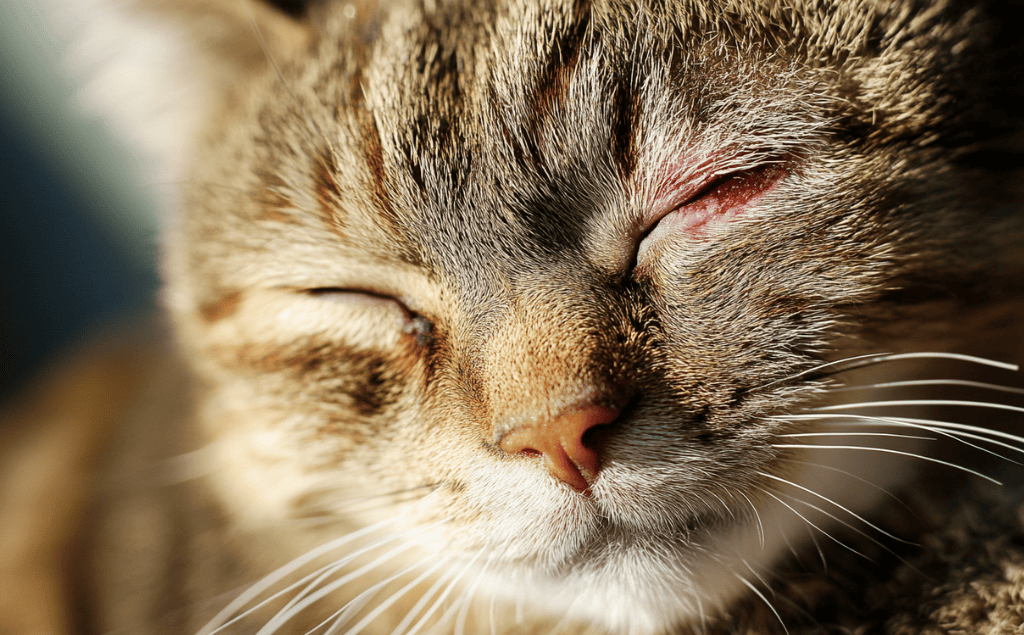
I Think My Cat Has an Eye Infection. Is It an Emergency?
Quick answer: Treat a suspected cat eye infection as an emergency. Symptoms like redness, swelling, discharge, squinting, pawing at the eye, or light sensitivity can signal conditions such as conjunctivitis, corneal ulcers, uveitis, or glaucoma; all of which can worsen within hours and threaten your cat's vision. Contact an emergency veterinarian right away rather than waiting to see if it improves.
Cats are experts at hiding pain, which makes eye problems especially tricky to catch early. One day your cat's eyes look perfectly normal, and the next you notice a squint, a bit of redness, or some unusual discharge crusted near the corner. It's tempting to wait and watch, especially if your cat is still eating and acting like themselves.
But eyes are unlike most other parts of the body. Tissue damage can happen fast, sometimes within a matter of hours, and the difference between quick treatment and a delayed visit can mean the difference between a full recovery and permanent vision loss.
If you're a pet owner wondering whether your cat's eye issue counts as an emergency, this guide will walk you through the warning signs, the most common causes, and why acting quickly matters so much.
What are the Early Signs of an Eye Infection in Cats?
These don't always look dramatic at first. Some of the earliest and most common cat eye infection symptoms include:
- Redness around the eyelid or the white part of the eye
- Swelling of the eyelid or surrounding tissue
- Discharge that's watery, yellow, green, or crusty
- Squinting or holding the eye partially or fully closed
- Pawing or rubbing at the eye repeatedly
- Sensitivity to light, where your cat avoids bright rooms or windows
Any one of these symptoms is a reason to have your cat examined. When several symptoms appear together, that's often a sign the condition is progressing and needs urgent attention.
Common Cat Eye Conditions
Not every red or watery eye is caused by the same thing, and figuring out the true cause almost always requires a hands-on exam and specialized equipment.
Here are some of the most common culprits behind eye problems in cats:
1. Conjunctivitis
Conjunctivitis, otherwise known as “pink eye,” is inflammation of the tissue lining the eyelid and covering the white of the eye. It's one of the more common eye issues in cats and can be triggered by viral infections (like feline herpesvirus), bacteria, or allergens.
Just like in humans, typical symptoms include redness, discharge, and swelling.
2. Corneal Ulcers
A corneal ulcer is a break in the clear outer layer of the eye, often caused by trauma, scratches, or untreated infections. Cats with corneal ulcers tend to squint heavily and may paw at the eye due to pain. Left untreated, ulcers can deepen and potentially rupture the eye.
3. Uveitis
Uveitis is inflammation inside the eye, affecting the iris and surrounding structures. It can result from infections, immune conditions, systemic infections such as Feline Immunodeficiency Virus (FIV), Feline Leukemia Virus (FeLV), or Feline Infectious Peritonitis (FIP), or trauma, and often causes cloudiness, light sensitivity, and noticeable discomfort.
4. Glaucoma
Glaucoma occurs when pressure builds up inside the eye, which can rapidly damage the retina and optic nerve. This condition is especially urgent, since vision loss from glaucoma can become permanent within hours if untreated.
Glaucoma is also usually caused by underlying serious diseases such as FIV, FeLV, FIP, toxoplasmosis, or even ocular tumors.
5. Retinal Issues
Problems affecting the retina, the light-sensitive layer at the back of the eye, can lead to sudden vision changes and are sometimes linked to underlying conditions like high blood pressure or systemic disease.
Clinical signs of retinal issues start with pupils that are dilated and do not respond to light normally.
6. Dry Eye (Keratoconjunctivitis Sicca)
Dry eye happens when a cat doesn't produce enough tears to keep the eye lubricated, leading to irritation, redness, and a higher risk of secondary infections or corneal damage.
Why Should You Treat Cat Eye Problems as an Emergency?
It's understandable to want to take a "wait and see" approach with minor-looking symptoms, especially if your cat still seems otherwise fine. But eye conditions behave differently than many other health issues.
Corneal ulcers can deepen within hours. Glaucoma can cause irreversible vision loss in under a day. Infections that start with mild irritation can spread and become much harder to treat once they've progressed. Because it's nearly impossible to tell how serious an eye issue is just by looking at it, an emergency veterinary exam is the safest first step, not a last resort.
Emergency veterinarians have the tools to properly diagnose what's happening. This includes measuring eye pressure, using fluorescent dye to check for corneal damage, and examining the internal structures of the eye. These are things that simply can't be assessed at home, no matter how closely you look.
What Should You Do If You Notice Symptoms?
If your cat is showing any signs of an eye problem, here's what to do:
- Don't apply any home remedies or over-the-counter drops without veterinary guidance. Some medications can worsen certain conditions, like corneal ulcers.
- Avoid touching or rubbing the affected eye and try to prevent your cat from pawing at it if possible.
- Call your veterinarian immediately, or an emergency veterinary hospital if outside of normal business hours. Describe the symptoms as clearly as you can.
- Keep your cat calm and in a dimly lit room if light sensitivity is present, while you prepare for your visit.
Acting quickly gives your cat the best chance at a full recovery, and it takes the guesswork out of a situation that can be stressful for any pet owner.
Key Takeaways
1. Is a cat eye infection always an emergency?
Not every case will turn out to be severe. However, because conditions like corneal ulcers and glaucoma can worsen within hours, any suspected eye infection should be treated as an emergency until a veterinarian rules out serious causes.
2. How much does emergency treatment for a cat eye infection typically cost?
Costs vary based on the diagnosis and required treatment, ranging from a basic exam and medicated drops for mild conjunctivitis to more involved procedures for corneal ulcers or glaucoma. The veterinarian attending to your pet can provide an estimate after the initial exam.
3. Can cats get pink eye?
Yes. Cats can get conjunctivitis, commonly called “pink eye.” It causes inflammation of the conjunctiva, the tissue surrounding the eye, and may lead to redness, swelling, squinting, excessive tearing, or eye discharge. Causes can include infections, allergies, irritants, or other underlying eye conditions.
4. Can I give cat eye infection treatment at home?
No. Home remedies and over-the-counter drops can worsen certain conditions, particularly corneal ulcers. A veterinary exam is needed to determine the safe course of treatment.
5. What happens if a cat eye infection is left untreated?
Untreated eye infections can lead to permanent vision loss, chronic pain, or spread of infection to other parts of the eye or body. Some conditions, like glaucoma, can cause irreversible damage in less than a day.
6. Are certain cats more prone to eye infections?
Yes. Cats with flat faces (like Persians or Himalayans), those with feline herpesvirus, and cats in multi-cat households or shelters tend to have a higher risk of developing eye infections.
Trust Your Instincts When Something is Off
If you're staring at your cat's eye right now, unsure whether it's "bad enough" to warrant a vet visit, take that uncertainty as your answer. Eyes don't offer a lot of room for waiting, and a same-day exam is always safer than a wait-and-see approach when vision and comfort are on the line.
Emergency Veterinary Care Centers (EVCC) is always here for situations like this. Our independent network of emergency veterinary hospitals are here 24/7/365* to assess your cat's symptoms, provide immediate treatment, and give you the reassurance you need during an already worrying moment.
Don't wait until morning to find out if your cat's eye problem was serious. Contact your nearest EVCC right away.
*Please visit www.evcc.com/locations for your local EVCC’s specific hours.
Recent Posts
About Us
At Emergency Veterinary Care Centers (EVCC), we know that pet emergencies are unpredictable and often stressful. That's why our team, with over 20 years of emergency and critical care experience, is ready to assist you and your pet in the toughest situations.