

 Holiday Pet Safety: Foods, Plants, and Decorations to Keep Out of Reach
The following guest blog was written by the ASPCA Poison Control (APC).
Quick answer: Keeping pets safe during the holidays starts with keeping toxic foods, plants, and decorations out of reach. Raw yeast dough, fruitcake containing raisins or chocolate, lilies, mistletoe, salt dough ornaments, snow globes, and string lights can pose serious risks to dogs and cats.
If you suspect your pet has ingested something toxic, contact your veterinarian or ASPCA Poison Control (APC) at (888) 426-4435 immediately, even if symptoms haven’t appeared.
The holiday season is full of twinkling lights, tasty treats, festive decorations—and plenty of opportunities for our pets to get themselves into trouble. Here at ASPCA Poison Control (APC), we handle a particularly heavy caseload from the months of October to December due to the seemingly endless supply of holiday hazards.
From wires and shiny ornaments to unfamiliar foods and tempting plants, there’s no shortage of holiday “snacks” and “chew toys” that are definitely not intended for pets. We’re here to help pet owners get ahead of the holiday mischief, so your pets stay safe, comfortable, and happy all season long.
Holiday Foods That Are Toxic to Pets
1. Yeast Dough
 The holidays are full of magic, merriment, and dough that mysteriously disappears when nobody’s looking. However, if your dog thinks raw yeast dough is a festive snack, that’s a holiday miracle you don’t want!
Unlike humans, who dream of fresh-baked cinnamon rolls, dogs who gobble up raw yeast dough can end up with a recipe for disaster. The warm, moist environment of the stomach acts like a cozy little proofing oven, allowing the dough to expand and produce gas that can cause painful bloating or even a twisted stomach in dogs ("bloat" or gastric dilatation-volvulus [GDV]), a life-threatening emergency.
And as if that weren’t enough, fermenting yeast can produce alcohol that enters the bloodstream, potentially causing alcohol poisoning. So, while your pup may be dreaming of a Christmas croissant, keep the raw dough out of reach and save the holiday baking for the humans.
2. Fruitcake
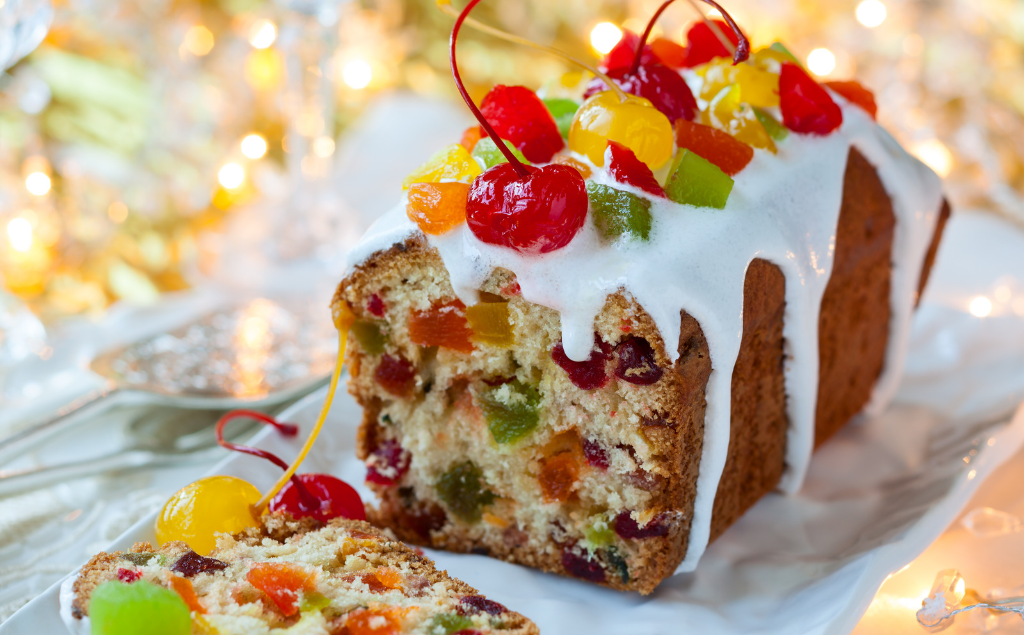 Better known as “the re-gift" (you know, that holiday favorite that everyone keeps sending to each other?). This classic staple can either be store-bought or homemade.
Fruitcakes often contain grapes and raisins among other fruits. This can lead to kidney injury in dogs. Some contain chocolate which can cause vomiting in dogs and cats, diarrhea, irregular heartbeats, a faster heart rate, and in some cases tremors and seizures. It may even be soaked in brandy, rum, or whisky. Alcohol can cause pets to become unsteady on their feet.
We can also see depression, and heart rate effects too. If you decide not to pass along the fruitcake and taste some, it’s best not to share it with our furry friends.
Holiday Plants That Are Toxic to Pets
1. Holly
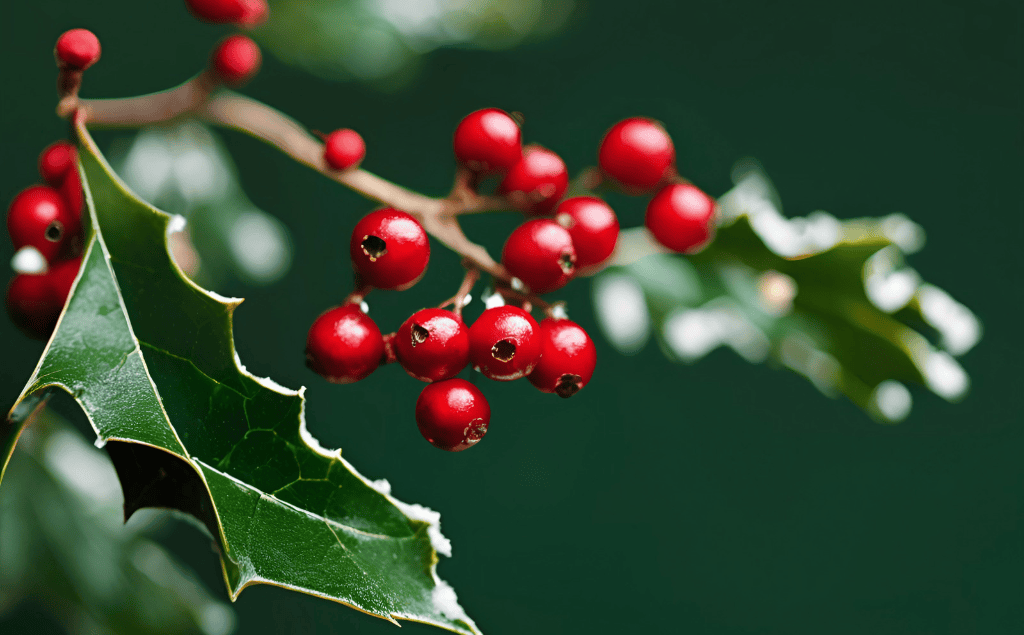 Holly (Ilex spp.) may be a Christmas classic, but your pet shouldn’t add it to the holiday menu. Holly contains saponins, which can irritate the digestive tract. In dogs and cats, that can mean nausea, vomiting, diarrhea (sometimes with blood), and lethargy.
In other words, it’s a Christmas tradition that your pet should skip.
2. Mistletoe
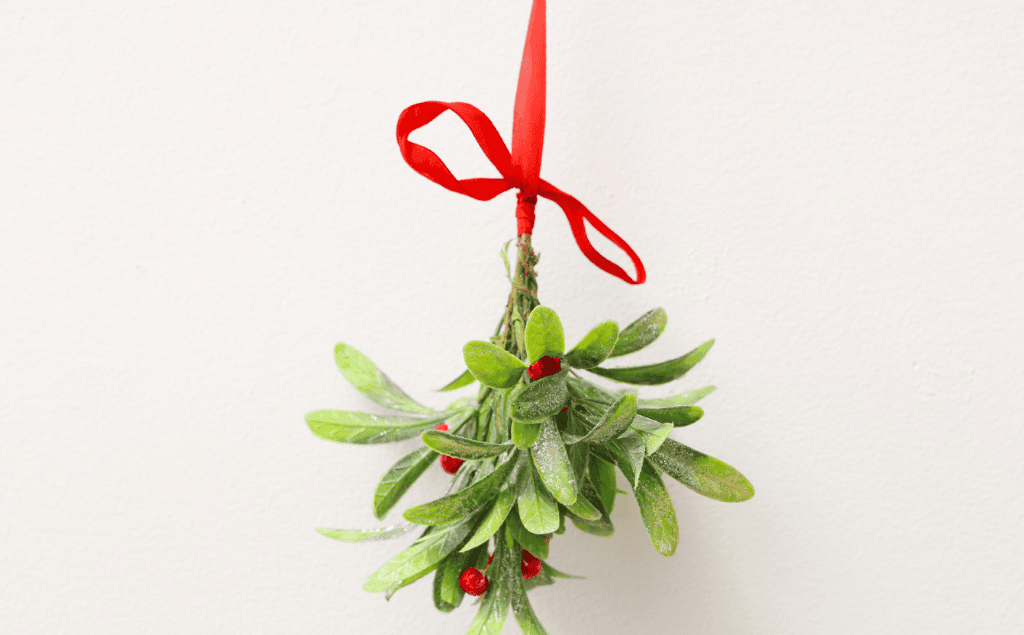 Sure, mistletoe (Phoradendron sp. or Viscum sp.) is great for holiday kisses, but it’s not so great for pets who decide to take a bite. There are several types of mistletoe, including some that aren’t toxic, but why take the chance?
Some varieties contain phoratoxin, which can cause nausea and vomiting and, rarely, low blood pressure, a slow heart rate, and blurred vision. Best to keep this holiday smooching spot well out of paw’s reach.
3. Poinsettia
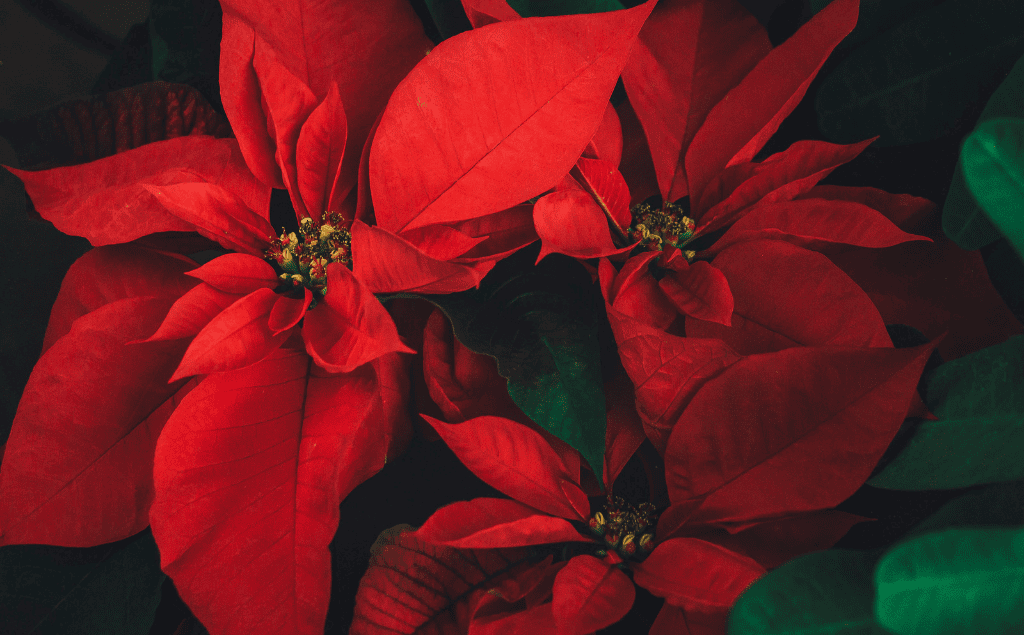 Poinsettias (Euphorbia pulcherrima) have a reputation for being the holiday plant villain, but they’re not among the most toxic plants to pets. Still, they can cause vomiting, diarrhea, and an upset stomach if eaten.
And if your curious pet rubs against one, the latex sap can cause skin irritation. So, while your poinsettia may look festive, your pet’s nose and paws would prefer to admire it from a distance.
4. English Ivy
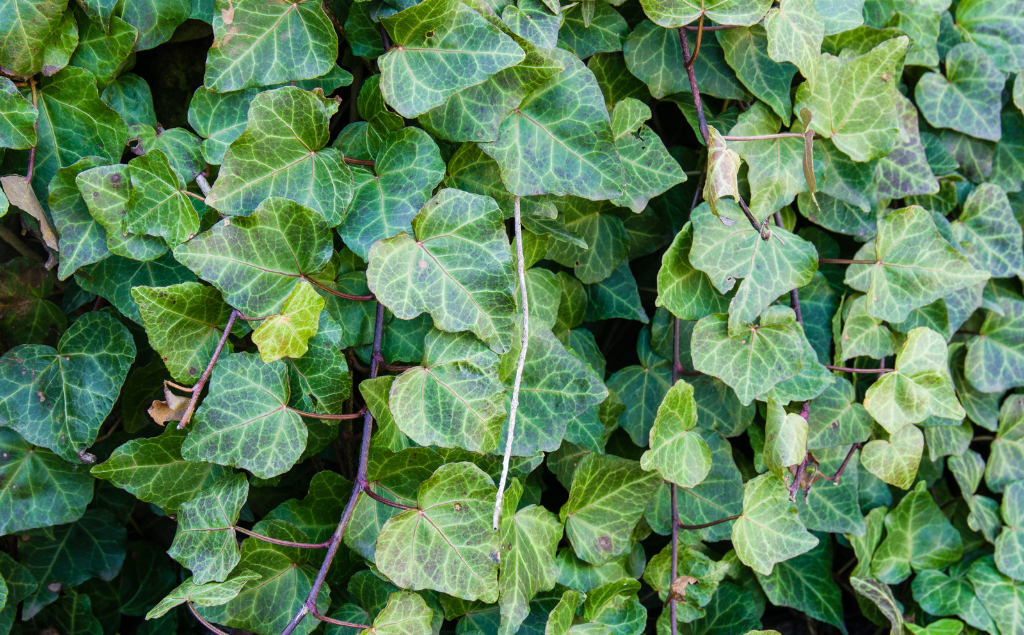 Ivy (Hedera helix) may look fabulous wrapped around a holiday centerpiece, but your pet may not agree. Contact with Ivy mainly causes vomiting and diarrhea. Rarely, we can see skin irritation as well.
If your four-legged decorator decides to nibble on it, they could also experience diarrhea, excessive drooling, and vomiting. Consider ivy a “look, don’t lick” decoration.
5. Lily
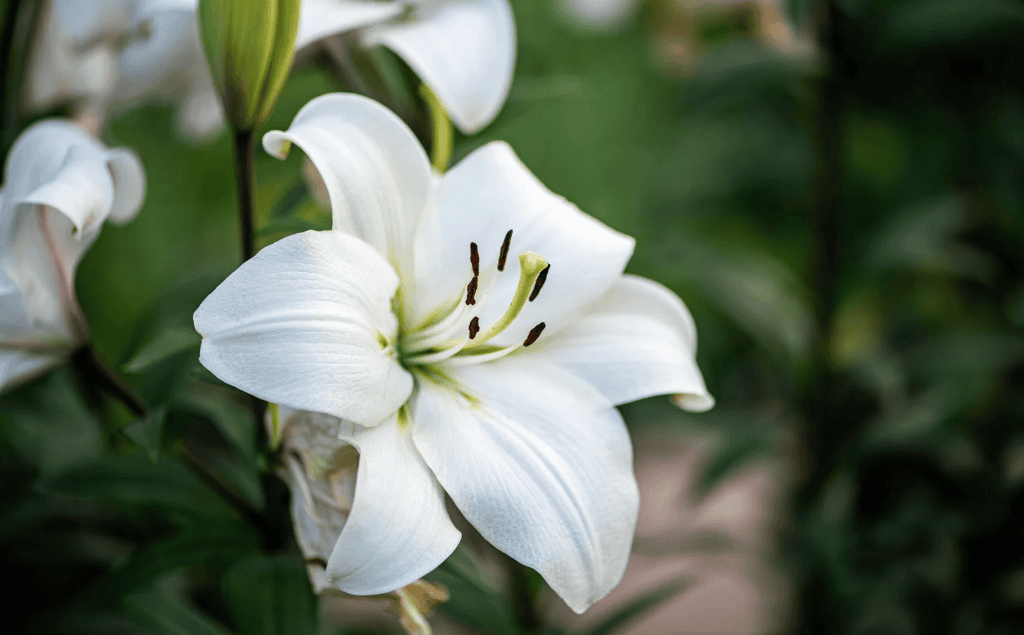 Lilies (Lilium sp.) are a much bigger concern for cats than dogs and can cause vomiting, loss of appetite, lethargy, and kidney failure. Dogs generally experience only mild stomach upset.
If you have a cat, keeping true lilies completely out of the home is the safest choice.
6. Amaryllis️
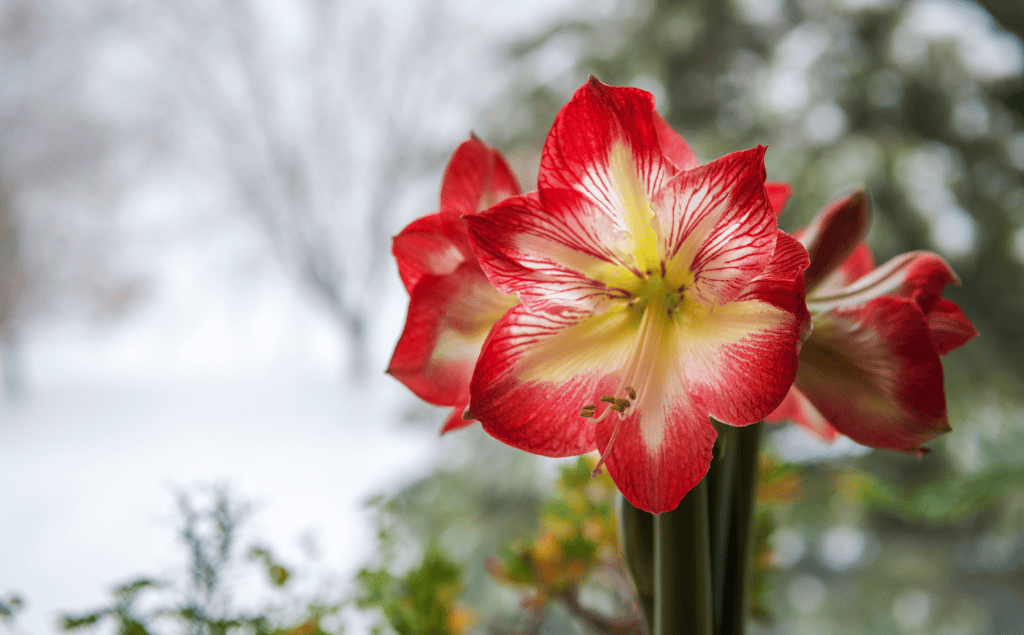 Those bright red blooms certainly know how to dress for Christmas, but they can cause some serious trouble if your pet decides to sample them. Amaryllis (Amaryllis spp.) also come in a variety of colors including pink, white, green, and striped ones as well. Amaryllis contains lycorine, which can cause drooling, vomiting, and diarrhea.
When pets ingest the bulb, we can also see a risk for obstruction (blockage). Beautiful? Absolutely. Pet-approved snack? Absolutely not.
7. Christmas Rose
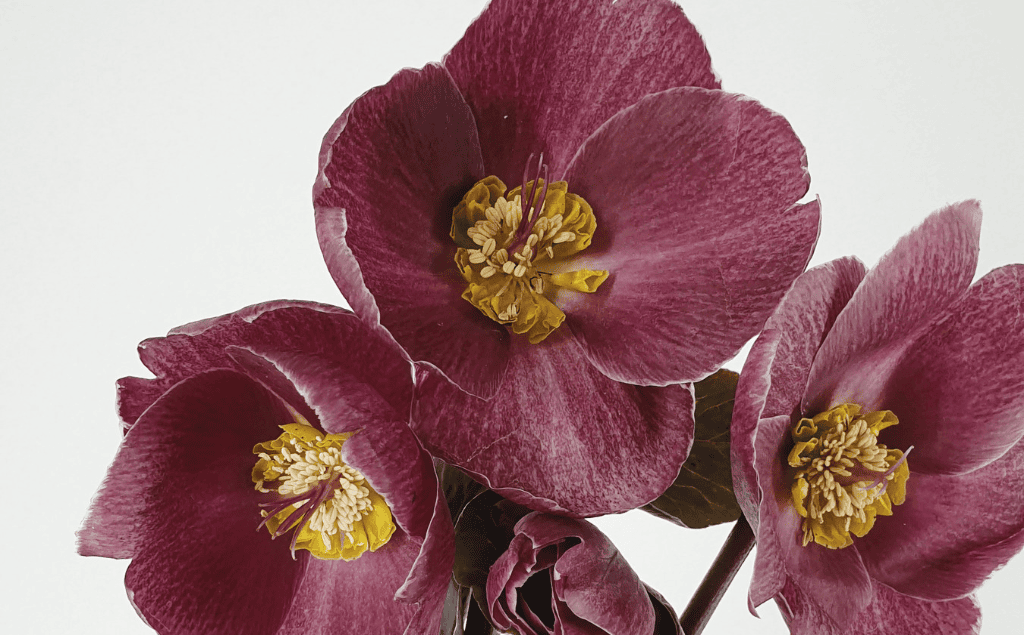 The Christmas rose (Helleborus niger) gets its name from its pretty white or pink flowers and its tendency to bloom during the winter. But don’t let those innocent-looking blooms fool you: they can cause lethargy, abdominal pain, vomiting, and diarrhea, and rarely, an irregular heartbeat.
Holiday Decor That Is Dangerous to Pets
1. Snow Globes
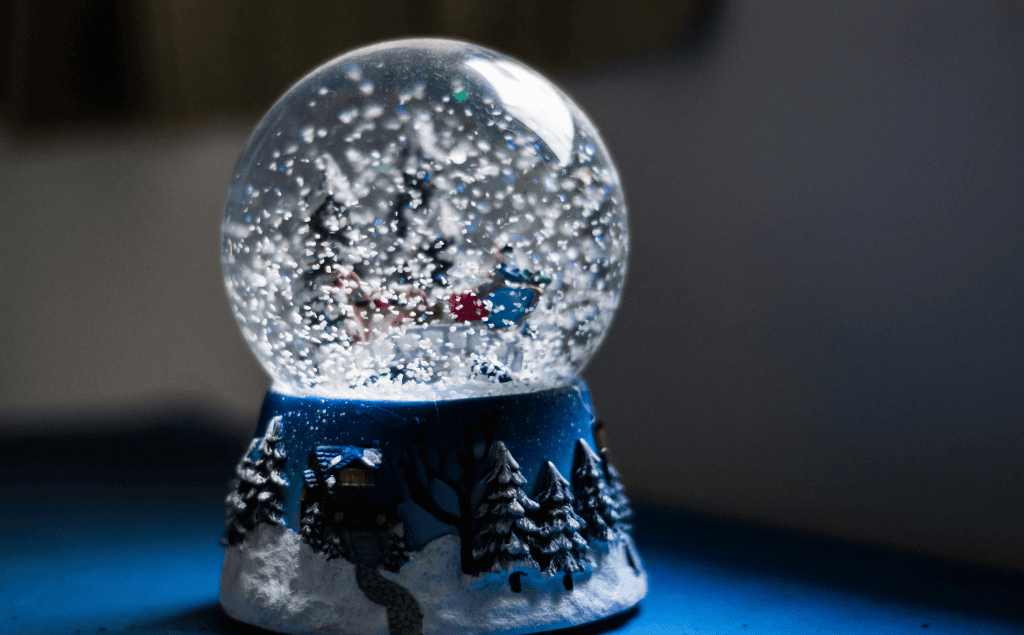 Snow globes may contain plastic or calcium carbonate. The liquid is generally distilled water with potential for bacterial contamination. Ethylene glycol has been found in some globes. Basically, that magical little winter wonderland may have more going on inside than just tiny snowflakes.
Unfortunately, if the liquid isn’t listed on the label, there’s no reliable way to know exactly what’s in it. That means an unlabeled snow globe should be treated with caution, particularly because ethylene glycol has been found in some snow globes and can be present at significant concentrations. It can cause kidney damage, blood pressure changes, and seizures.
Bottom line: Snow globes are for shaking, admiring, and putting back on the shelf—not for letting your pet sample the secret winter cocktail inside.
2. Salt Dough Ornaments
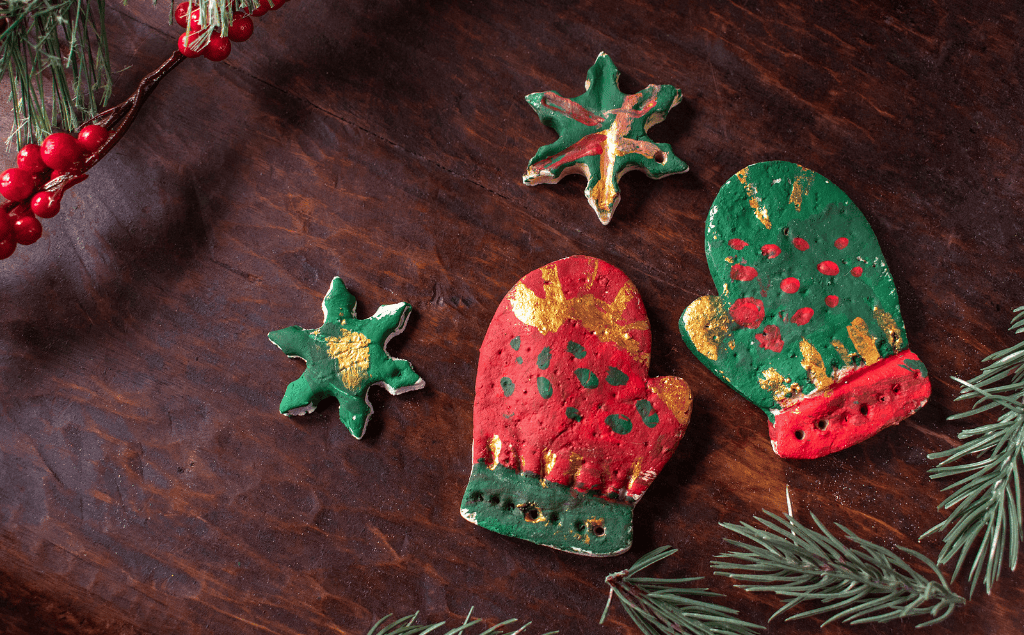 These are the adorable little cutout shapes and molded figures made from salt-based dough, then baked until they’re hard enough to survive the holiday season—or at least a determined puppy.
The classic recipe is usually 2 cups of flour and 1 cup of salt and water, sometimes with a splash of vegetable or olive oil thrown into the mix. Other recipes may include cream of tartar, which can cause damage to the kidneys in dogs.
The big problem is the very high salt content. If enough is eaten, it can cause a high level of sodium in the blood, which can cause increased thirst, vomiting, wobbliness, and tremors. Definitely not the kind of “holiday spirit” anyone wants.
And don’t assume baking makes these harmless! Even after they’ve been baked into rock-hard holiday masterpieces, the salt can still be absorbed. Because these treats are more solid, they may also hang out in the GI tract longer than expected, potentially leading to slightly delayed or prolonged clinical signs.
Bottom line: Salt dough may be a fun holiday craft for humans, but for pets, it’s basically a Christmas ornament with an extremely salty secret. Keep those festive masterpieces somewhere your four-legged decorating committee can’t reach.
3. String Lights
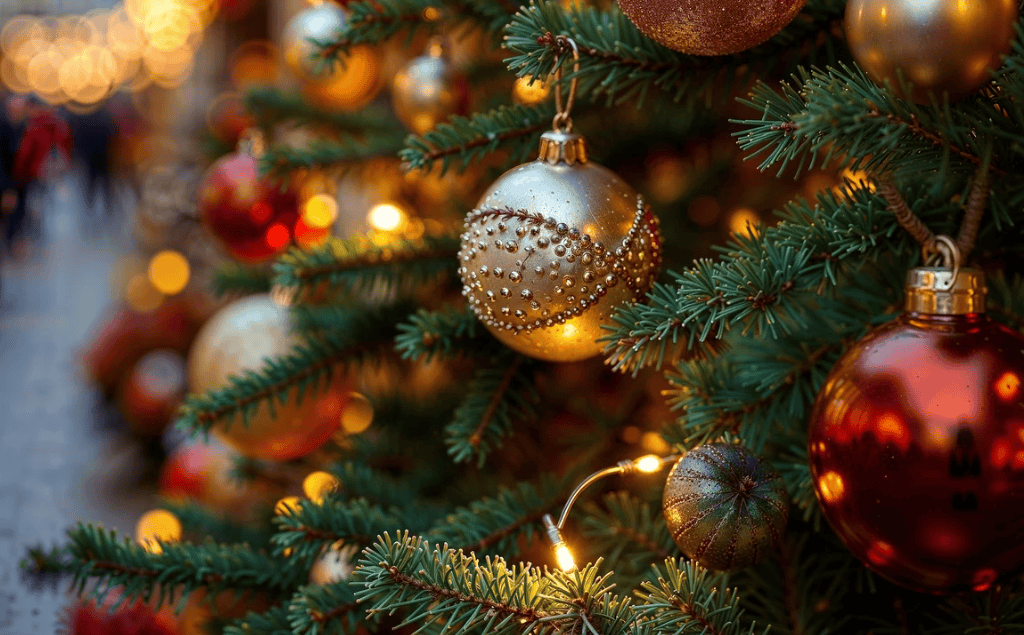 Most holiday lights are made of plastic or glass and contain either LED or incandescent bulbs. Unfortunately, some pets see a strand of twinkling lights on a Christmas tree and think, “oooh… festive spaghetti!” Chewing them can result in mouth burns, electrocution, or a blockage if pieces are swallowed.
Bottom line: Hang the lights high, keep the cords protected, and remind your furry electrician that they are strictly an observer, not an installer.
Key Takeaways
1. What are the most common holiday hazards for pets?
Common holiday hazards include toxic foods, poisonous plants, and decorations that pets may chew or swallow. Raw yeast dough, fruitcake containing raisins or chocolate, lilies, mistletoe, salt dough ornaments, snow globes, and string lights can all pose risks to dogs and cats.
2. What are some holiday foods that are toxic to dogs and cats?
Raw yeast dough and fruitcake can be dangerous for pets. Raw yeast dough can expand in a dog's stomach and produce alcohol during fermentation. Fruitcake may contain raisins, chocolate, or alcohol, which can cause serious health problems.
Keep holiday foods out of reach and avoid sharing potentially harmful treats with pets.
3. Which holiday plants are poisonous to pets?
Holly, mistletoe, poinsettias, English ivy, lilies, amaryllis, and Christmas roses can cause illness if pets chew or ingest them. The severity varies by plant and pet species. True lilies are particularly dangerous to cats because they can cause kidney failure.
4. Are poinsettias toxic to dogs and cats?
Poinsettias are less toxic than their reputation suggests, but they can still cause vomiting, diarrhea, and stomach upset if eaten. Their milky sap may also irritate a pet's skin. Keep poinsettias out of reach to reduce the risk of exposure.
5. Are Christmas decorations dangerous for pets?
Yes. Decorations such as salt dough ornaments, snow globes, and string lights can pose poisoning, electrical, or gastrointestinal risks. Pets that chew or swallow these items may experience serious complications, including electrocution, intestinal blockages, or kidney damage.
6. Can salt dough ornaments make pets sick?
Yes. Salt dough ornaments contain high levels of salt, which can cause dangerous increases in blood sodium if eaten. Signs may include increased thirst, vomiting, wobbliness, and tremors. Baking the ornaments does not eliminate the risk.
7. What should I do if my pet eats a potentially toxic holiday plant or food?
Contact your veterinarian or ASPCA Poison Control (APC) at (888) 426-4435 immediately if you suspect your pet has ingested something toxic. Do not wait for symptoms to appear, as some poisonings can cause serious complications before obvious signs develop.
8. How can I keep my home safe for pets during the holidays?
Keep decorations, cords, and potentially hazardous items out of reach. Secure string lights to prevent chewing, avoid leaving pets unsupervised around decorations they may swallow, and display snow globes and salt dough ornaments where pets cannot access them.
9. What are the signs of poisoning in dogs and cats?
Depending on the substance, signs may include vomiting, diarrhea, excessive drooling, lethargy, loss of appetite, wobbliness, tremors, or changes in heart rate. Some toxins can cause internal damage before symptoms become apparent, so contact a veterinary professional promptly if exposure is suspected.
10. How can I practice holiday pet safety at home?
One of the best holiday pet safety tips is to inspect your home from your pet's perspective. Store food securely, research plants before bringing them indoors, protect electrical cords, and keep small decorations out of reach.
If you suspect your pet has been exposed to a potentially toxic substance, seek professional guidance immediately.
If you suspect your pet has been exposed to any poisonous substances or potentially toxic plants, contact your veterinarian or call ASPCA Poison Control (APC) at (888) 426-4435 immediately.
Recent Posts
About Us
At Emergency Veterinary Care Centers (EVCC), we know that pet emergencies are unpredictable and often stressful. That's why our team, with over 20 years of emergency and critical care experience, is ready to assist you and your pet in the toughest situations.