


Feline Immunodeficiency Virus (FIV) and What It Means for Your Cat
When your beloved feline companion receives a diagnosis of Feline Immunodeficiency Virus (FIV), it can feel overwhelming. The name itself sounds alarming, and many pet owners immediately worry about their cat's future.
However, understanding what FIV truly means for your cat, and how to provide the best possible care, can transform anxiety into actionable knowledge. Whether you're concerned about potential exposure or managing a recent diagnosis, this comprehensive guide will empower you to make informed decisions about your pet's health and wellbeing.
Understanding Feline Immunodeficiency Virus
FIV primarily targets and weakens a cat's immune system, making them more susceptible to secondary infections and diseases. The virus belongs to the same family as HIV but is species-specific, meaning it cannot transmit to humans or other animals outside the feline family.
According to Cornell University's Feline Health Center, approximately 2.5-5% of healthy cats in North America are infected with FIV. However, these rates increase dramatically, to 15% or higher, among cats that are sick or considered high-risk for infection. This significant difference highlights the importance of regular veterinary check-ups, especially for cats with outdoor access or unknown medical histories.
The virus spreads primarily through bite wounds between cats. Unlike some viral infections that can transmit through casual contact, FIV requires direct blood-to-blood contact, typically occurring during territorial fights. While the virus can be passed from a Queen to kittens in utero or through nursing, it’s relatively rare.
Unneutered male cats with outdoor access face the greatest risk, as they're more likely to engage in aggressive behavior with other cats.
Recognizing FIV Symptoms in Cats
FIV symptoms in cats often develop gradually and can be subtle, or non-visible, in the early stages. The virus progresses through several phases, and cats may remain asymptomatic for years after initial infection.
Progression to an advanced clinical phase, or terminal immunodeficiency stage, may occur when virus suppression is no longer controlled, and severe decrease in the immune system occurs. During this stage, patients develop higher potential for opportunistic infections, immune-mediated diseases, neoplastic disease, or cancerous processes.
Early warning signs during the acute phase of infection can include...
- Persistent lethargy
- Loss of appetite
- Gradual weight loss despite normal eating habits
- Dull or unkempt coat
- Diarrhea
- Enlarged lymph nodes, particularly around the neck and shoulders
As the disease progresses, cats become increasingly vulnerable to secondary infections. Recurrent upper respiratory infections in cats with FIV are common, presenting as chronic sneezing, nasal discharge, and breathing difficulties. These respiratory issues often prove more severe and persistent than typical upper respiratory infections in healthy cats.
Changes in the eyes such as conjunctivitis (an inflammation of the tissue around the globe) or uveitis (inflammation inside the eye). Uveitis can cause redness, different pupil sizes or even color changes. Reported neurologic abnormalities include altered behavior, seizures, or even paralysis or changes in muscle function.
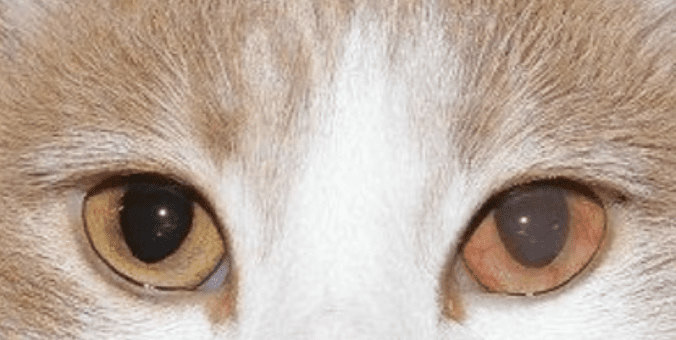
A cat with uveitis.
Kidney disease may also be associated with FIV infection. Dehydration, increased thirst, and increased urination are clinical signs seen with kidney disease. Infected cats may be more likely to develop lymphoma or leukemia.
Lastly, dental problems frequently accompany FIV, with many cats developing severe gingivitis or periodontal disease. Red, swollen gums and persistent bad breath often indicate oral health issues that require immediate veterinary attention. Left untreated, these dental problems can lead to tooth loss and difficulty eating.
The Importance of Immediate Veterinary Care
While FIV itself is not an immediate emergency, its symptoms certainly are. Any sign of illness in a cat with FIV requires prompt veterinary attention because their compromised immune system cannot effectively fight secondary infections. What might be a minor cold in a healthy cat can develop into a serious, life-threatening condition in a FIV-positive cat.
The slow-progressing nature of FIV means that cats can live for years without showing symptoms. However, when illness does occur, the weakened immune system struggles to mount an effective response. This is why immediate supportive care becomes crucial for managing any health issues that arise.
Medical Management
Veterinarians typically focus on treating secondary infections and providing supportive care rather than targeting the virus itself. Antibiotics may be necessary for bacterial infections, while tooth extractions may be necessary for chronic conditions like gingivitis.
Regular monitoring through blood work and physical examinations helps catch problems early when they're most treatable.
Nutritional Assistance
Nutritional support also plays a vital role in managing FIV. High-quality diets rich in antioxidants and omega fatty acids can help support the immune system. Some veterinarians recommend supplements specifically designed for immune support, though these should always be used under professional guidance.
Long-Term Care and Quality of Life for FIV-Positive Cats
Caring for a cat diagnosed with FIV involves proactive steps to support their immune system, prevent illness, and maintain a high quality of life. With the right care and environment, FIV-positive cats can live long, healthy, and happy lives.
1. Keep Your Cat Indoors
Indoor living is essential for FIV-positive cats. It:
- Reduces exposure to infections, parasites, and injuries that a compromised immune system may struggle to fight.
- Helps prevent transmission of FIV to other cats.
- Provides a safer, more controlled environment where your cat can thrive.
2. Schedule Regular Veterinary Visits
Routine veterinary care is especially important for FIV-positive cats. Most veterinarians recommend checkups every six months instead of once a year. These visits allow for:
- Early detection and treatment of potential health issues before they become serious.
- Proactive management of your cat’s comfort and overall well-being.
3. Reduce Stress and Support Emotional Well-Being
Stress can further suppress the immune system, making cats more vulnerable to illness. You can help by:
- Keeping daily routines consistent.
- Providing quiet, safe spaces for rest.
- Offering mental stimulation with toys, scratching posts, and interactive play.
A calm, predictable home environment helps your cat feel secure and stay healthier.
4. Adjust Vaccination Plans
FIV-positive cats may need a modified vaccination schedule. While some vaccines remain important for protection, live vaccines are typically avoided. Your veterinarian will develop a plan tailored to your cat’s unique needs and risk factors.
5. Manage Multi-Cat Households
If one cat is diagnosed with FIV, testing all other cats in the household is essential. While casual contact rarely spreads the virus, aggressive encounters or fights can lead to infection. Depending on behavior, it may be necessary to separate FIV-positive cats from FIV-negative cats.
6. Introduce New Cats Safely
Before adding a new cat to your household...
- Test them for FIV.*
- Use a quarantine period to protect both new and existing cats.
This allows time for proper veterinary evaluation and care planning.
*If they test positive on an in-house SNAP test, your veterinarian should do additional tests to be sure it is actually positive. If the history of your new cat is not known, it is essential to retest in 3-4 months as the test will not be positive with recent exposure. Kittens that test positive may have antibodies from their mom and should be retested to confirm a positive or negative test.
7. Focus on Environmental Management
With no commercially available vaccine in North America, environmental management is the primary defense against FIV. Key strategies include:
- Spaying and neutering to reduce fighting and roaming.
- Maintaining a safe, indoor lifestyle.
- Minimizing stress to support your cat’s immune system.
By combining careful medical management with preventive strategies and a stress-free environment, FIV-positive cats can enjoy fulfilling, healthy lives while minimizing the risk of transmission to other cats.
Why is There Not a Vaccine Against FIV?
The FIV vaccine is no longer readily available in the U.S. and Canada for many reasons, such as:
- The vaccination led to false positives for FIV.
- More cats live their lives indoors, so there is significantly less risk of infection.
- The FIV vaccination only offered limited protection against the virus and needed frequent boosters to stay effective.
- The FIV vaccination contains adjuvants, which stimulate the immune system. While rare, this can increase the risk of sarcoma, a type of cancer that causes tumors.
- There are other ways to reduce your cat’s risk of FIV.
Financial Planning for FIV Care
Managing FIV in cats often involves ongoing veterinary expenses that can accumulate over time. Regular checkups, diagnostic testing, medications, and treatment for secondary infections all contribute to the long-term cost of care. Planning these expenses helps ensure your cat receives necessary treatment without financial stress.
Pet insurance for FIV cats can provide valuable financial protection, though coverage varies significantly between providers. Some insurance companies exclude pre-existing conditions like FIV, while others may offer limited coverage for related treatments. Researching policies before your cat develops health issues typically provides the best coverage options.
Even with insurance options, building a pet emergency fund can give you peace of mind and ensure you're prepared when the unexpected happens. Setting aside a small amount each month specifically for veterinary expenses helps cover routine care and provides a cushion for unexpected health issues.
Supporting Your Cat’s Health After a FIV Diagnosis
All in all, it’s important to remember that cats with FIV can live fulfilling lives with proper care and management. Many FIV-positive cats enjoy years of good health and companionship with their families. While the diagnosis requires lifestyle adjustments and ongoing vigilance, it doesn't mean your cat cannot experience joy, comfort, and quality time with you.
Your proactive approach to understanding and managing FIV demonstrates your commitment to your feline companion. With proper veterinary care and at-home management, you can help your cat live comfortably despite their diagnosis.
Recent Posts
About Us
At Emergency Veterinary Care Centers (EVCC), we know that pet emergencies are unpredictable and often stressful. That's why our team, with over 20 years of emergency and critical care experience, is ready to assist you and your pet in the toughest situations.