


Apoquel Toxicity in Cats: What Pet Owners Need to Know
Since Zoetis received FDA approval in 2023, Apoquel has become a go-to medication for managing allergies and itching in dogs, for both atopic and allergic dermatitis. But what happens when your cat gets their paws on it? Is Apoquel safe for cats?
In these last few years, doctors have noticed an alarming trend: cats accidentally consuming these medications. According to North Carolina State’s College of Veterinary Medicine, they have already linked two of their own cases of acute kidney injury to chewable Apoquel ingestion, prompting warnings for pet owners who have both dogs and cats at home.
In fact, this past fall, our team treated two cats, Cleo and Piper, after they ingested their dog sibling’s chewable form of Apoquel tablets; an emergency that required immediate hospitalization and intensive monitoring. Thanks to fast action and aggressive care, both cats are now recovered and at home. You can read the full success story here.
If you're a multi-pet household using Apoquel for your dog, understanding the risks to your cat could prevent a life-threatening emergency. Here's what you need to know about Apoquel toxicity in cats, the symptoms to watch for, and when to seek immediate veterinary care.
Can Cats Have Apoquel?
Apoquel (oclacitinib) is dangerous for cats. It works by targeting specific enzymes that trigger itching and inflammation in dogs. However, cats metabolize medications differently than dogs, and their bodies aren't equipped to process this drug safely.
The primary concerns with Apoquel toxicity in cats include:
- Immune System Suppression: Apoquel interferes with immune function, which can leave your cat vulnerable to infections and illnesses they'd normally fight off.
- Kidney Damage: The cases out of NC State and our own hospital revealed acute kidney injury (AKI) in cats who consumed chewable Apoquel. Kidney problems can develop quickly and may become life-threatening without prompt treatment.
- Gastrointestinal Upset: Vomiting, diarrhea, and loss of appetite are common reactions when cats ingest medications that are not meant for them.
- Lethargy and Weakness: Cats may become unusually tired, withdrawn, or unresponsive after consuming Apoquel.
There are other forms of chewable medications, but this one is especially appealing to cats, and they are more likely to seek it out over other flavored medications.
Warning Signs of Apoquel Toxicity in Cats
If your cat has ingested Apoquel, they may show symptoms within hours. Watch for these signs:
- Vomiting and/or diarrhea
- Decreased appetite or refusal to eat
- Unusual lethargy and/or weakness
- Increased thirst and/or urination
- Behavioral changes, such as hiding or irritability
- Pale gums and/or difficulty breathing
- Third eyelid elevation and/or facial swelling (see photo below for example)
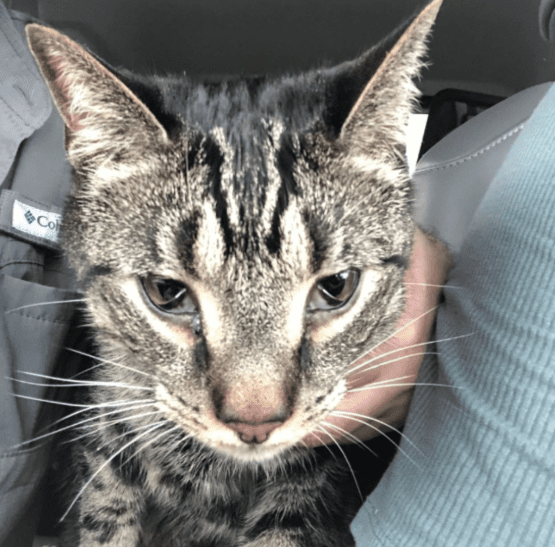
About 8 hours after getting into Apoquel, this cat developed severe third eyelid elevation like you see here.
Kidney injury symptoms may take longer to appear but can include increased drinking and urination, followed by a sharp decline in urination as kidney function worsens. Any of these signs warrant immediate veterinary attention.
What to Do If Your Cat Eats Apoquel
Time is critical when dealing with potential poisoning. If you suspect your cat has consumed Apoquel, take these steps immediately:
- Contact Your Veterinarian or Emergency Vet: Don't wait to see if symptoms develop. Call the ASPCA Animal Poison Control Center (APPC) hotline and your closest emergency veterinary hospital right away. Have the medication bottle handy so you can provide details about the dosage and active ingredients.
- Note the Amount Consumed: If possible, determine how many tablets your cat may have eaten and when the ingestion occurred. This information helps veterinarians assess the severity and treatment plan.
- Don't Induce Vomiting Without Professional Guidance: While inducing vomiting can help in some poisoning cases, it's not always safe or effective. Follow your veterinarian's specific instructions.
Treatment for Apoquel Toxicity
Because the exact mechanism of toxicity is not fully understood, treatment can vary depending on your cat’s symptoms and how they respond to care. Recommendations will be based on how much Apoquel was consumed and how quickly treatment begins.
The veterinarian may recommend:
- Decontamination: If ingestion was recent, inducing vomiting or administering activated charcoal may help reduce further absorption of the medication.
- Fluid Therapy: Intravenous fluids are commonly used to support circulation, protect kidney function, and help flush the drug from the system.
- Close Monitoring: Ongoing bloodwork will evaluate kidney values, red blood cell counts, and other critical parameters. Hospitalization is often required for 48–72 hours or longer, depending on lab results and clinical signs.
- Cardiac Monitoring: Some cats may develop heart-related complications that require additional monitoring and supportive treatment.
- Treatment for Anemia: In certain cases, cats can develop anemia severe enough to require a blood transfusion.
- Advanced Care: If significant kidney injury occurs, referral for dialysis may be necessary.
Even with aggressive treatment, some cats may not survive this type of toxin ingestion. However, prompt treatment can significantly improve the chances of recovery.
How to Prevent Accidental Ingestion
As we always say, prevention is the first line of defense. If you use Apoquel for your dog and have cats at home, below are some safety measures that can protect your feline friends:
1. Store Medications Securely: Keep all pet medications in a closed cabinet or drawer that cats cannot access. Avoid leaving medications on counters, tables, or other surfaces where curious cats might investigate.
2. Supervise Medication Time: When giving your dog Apoquel, ensure your cat is in a different room or being watched by another family member. Dogs sometimes drop pills, and cats can quickly snatch them up.
3. Dispose of Medications Properly: Never leave empty pill bottles or packaging where pets can reach them. Even residual medication or coating can be harmful.
4. Educate Everyone in Your Household: Make sure all family members understand the risks and follow the same safety protocols. Children, in particular, should be taught never to leave medications unattended around pets.
Remember, cats are naturally curious and may actively seek out items that smell interesting, especially chewable medications with flavoring. The veterinarians at NC State emphasized that the cats they treated weren't just accidentally exposed; they deliberately consumed the tablets.
Key Takeaways
1. Is Apoquel safe for cats?
No. Apoquel (oclacitinib) is not safe for cats and can cause serious, potentially life-threatening toxicity if ingested. Cats process medications differently than dogs, making this drug particularly dangerous for them.
2. Why are chewable Apoquel tablets especially concerning?
The flavored chewable formulation may be more appealing to cats, increasing the risk of cats accidentally eating it in multi-pet households. Unlike other medications, cats are consuming this medication in large amounts, causing more severe toxicity.
3. What symptoms should I watch for if my cat eats Apoquel?
Signs can appear within hour(s) and may include vomiting, diarrhea, lethargy, decreased appetite, increased thirst or urination, behavioral changes, elevated third eyelids, and possible signs of kidney injury.
4. Can Apoquel cause kidney damage in cats?
Yes. Reported cases have linked Apoquel toxicity in cats to acute kidney injury, which can develop quickly and require intensive treatment.
5. What should I do if my cat eats Apoquel?
Seek emergency veterinary care immediately. Do not wait for symptoms to develop, and do not attempt to induce vomiting unless instructed by a veterinarian.
6. How can I stop my cat from eating Apoquel?
Store all pet medications securely, supervise dosing time, and keep medications out of reach of pets; especially flavored chewables.
Trust Your Emergency Vet When Seconds Count
Apoquel toxicity poses a serious threat to cats, especially with the rise of flavored chewable tablets that may be more tempting to curious pets. If your cat ingests this medication, seek emergency care immediately; intervention can be the difference between a full recovery and life-threatening complications.
Even the most careful pet owners can’t prevent every accident. If you’re concerned your cat may have gotten into something harmful, don’t wait or second-guess yourself. Our compassionate, dedicated team is here around-the-clock, ready to provide the emergency care your pet needs when it matters most.
*If you believe your pet has ingested something toxic or is showing signs of illness, contact your emergency vet immediately. You may also call the ASPCA Animal Poison Control Center (APCC) Hotline at (888) 426-4435 for guidance (a consultation fee may apply).
Recent Posts
About Us
At Emergency Veterinary Care Centers (EVCC), we know that pet emergencies are unpredictable and often stressful. That's why our team, with over 20 years of emergency and critical care experience, is ready to assist you and your pet in the toughest situations.