






Dogs
Blue-Green Algae Poisoning in Dogs: Signs, Treatment & Prevention
Blue-Green Algae Poisoning in Dogs: Signs, Treatment & Prevention Quick answer: Blue-green algae (cyanobacteria) is a potentially fatal toxin found in warm, stagnant freshwater lakes, ponds, and slow-moving rivers—particularly across the Midwest during summer. Dogs can become critically ill within minutes of exposure through drinking, swimming, or licking contaminated water off their fur. There is no antidote.…
Read MoreRodenticide Poisoning in Pets: What Every Dog and Cat Owner Should Know
Rodenticide Poisoning in Pets: What Every Dog and Cat Owner Should Know The following guest blog was written by the ASPCA Poison Control (APC). Rodenticides and insecticides can be helpful tools in controlling our yard and home environment from pests. However, they should be used with care to keep our pets safe. There is potential risk for toxic…
Read MoreHow to Protect Pets from the New World Screwworm
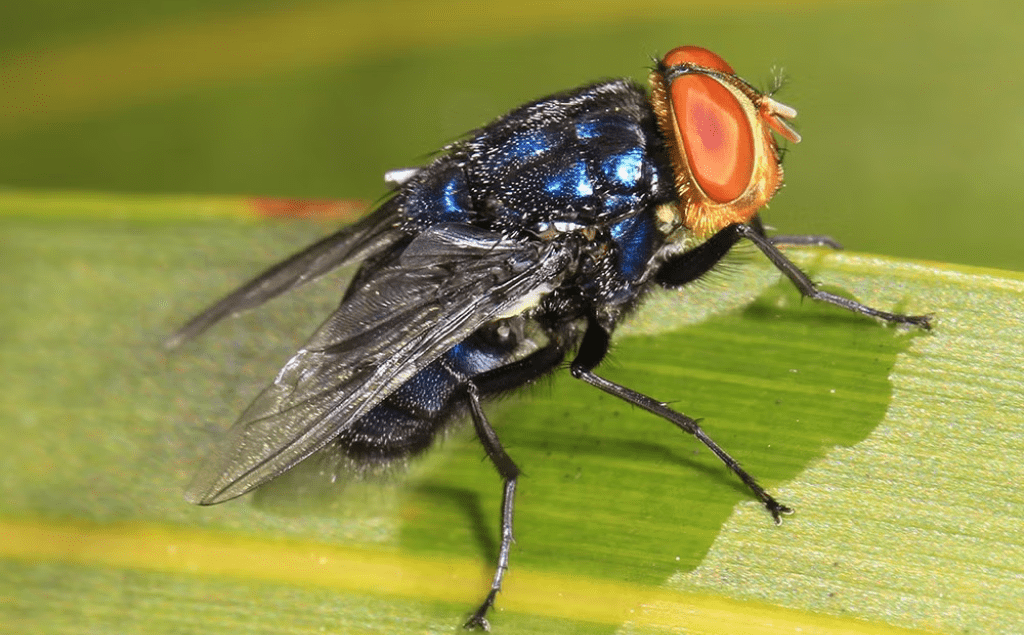
How to Protect Pets from the New World Screwworm Quick answer: New World screwworm (NWS) is a parasitic fly larva that feeds on the living tissue of warm-blooded animals, including dogs and cats. As of June 22nd, 2026, cases have been confirmed in Texas and New Mexico, but there are no confirmed cases in Michigan or Indiana right now. Pet owners…
Read MoreMy Dog Was Hit by a Car. What Do I Do?
My Dog Was Hit by a Car. What Do I Do? Quick answer: If your dog is hit by a car, stay calm, approach carefully to avoid bites, muzzle if needed, and transport them to an emergency vet immediately—even if they seem fine. Internal injuries and shock can be invisible at first and become life-threatening within…
Read MoreSevere Weather Safety for Pets: Evacuation and Emergency Guide
Severe Weather Safety for Pets: Evacuation and Emergency Guide Summary: Keeping pets safe during severe weather requires a proactive emergency plan and a fully stocked “go bag” with food, water, medical records, and more. Try not to leave pets behind during an evacuation. If your pet experiences injuries, heatstroke, or any unusual behavior after a disaster,…
Read MoreThe Rise of GLP-1 Exposure in Pets
The Rise of GLP-1 Exposure in Pets Have you recently brought a new injectable weight loss drug into your home? Over the past few years, prescription drugs like Ozempic, Wegovy, and Mounjaro have become household names. But since 2019, Poison Centers have reported a nearly 1,500% increase in calls related to these drugs, and that’s just for human overdoses. But what would happen if your dog or cat chewed on a…
Read MoreMy Dog Has Fleas: Now What?
My Dog Has Fleas: Now What? You are petting your dog after a long walk when you suddenly spot a tiny, dark speck darting through their fur. Panic sets in. Finding fleas on your pet is highly stressful for any pet parent. You want to protect your pet and your home, and you want those pests gone immediately. Dealing with a flea…
Read MoreAllergies in Dogs and Cats: When Symptoms Become Emergencies
Allergies in Dogs and Cats: When Symptoms Become Emergencies Your dog won’t stop scratching. Your cat is sneezing more than usual. It’s allergy season, so you figure it’s nothing to worry about… until it is. Allergies are one of the most common health issues in pets, and most of the time, they’re manageable. But occasionally, what starts as a routine reaction can escalate into…
Read MoreWhy Is Emergency Vet Care More Expensive? Understanding the Costs
“Why Are Emergency Vets So Expensive?” Understanding Costs It’s 2:00 AM on a Tuesday. The house is quiet, but your dog is pacing, panting, and clearly in distress. Or perhaps you’ve come home from work to find your cat has chewed on your lily plant, a flower known to be toxic to felines. In these moments of panic, the only thing that matters is getting your beloved pet the immediate help they need. When you…
Read MoreCushing’s Disease in Dogs: Symptoms, Treatment and When to Seek Emergency Care
Cushing’s Disease in Dogs: Symptoms, Treatment and When to Seek Emergency Care You know your dog better than anyone. You know the exact spot behind the ears that makes their leg twitch, the specific bark that means “mail carrier,” and the routine that signals it’s time for a walk. So, when patterns start to change, such as when the…
Read More