


Rodenticide Poisoning in Pets: What Every Dog and Cat Owner Should Know
The following guest blog was written by the ASPCA Poison Control (APC).
Rodenticides and insecticides can be helpful tools in controlling our yard and home environment from pests. However, they should be used with care to keep our pets safe. There is potential risk for toxic exposure and subsequent toxicity if pets are exposed inappropriately or products are used or stored improperly.
Concerns from pet owners that their “dog ate rat poison” or that their “cat ate rat poison” are among the most common urgent calls veterinary teams receive, and they always warrant immediate attention. Even common search queries like “rodenticide poisoning in dogs” reflect situations where early recognition can make a critical difference in outcome.
Rodenticides come in various shapes and sizes. Most commonly we see them in block/cube form, pellets, soft bait and with mole bait in the shape of a worm. The active ingredients and amount ingested are the most important factors after exposure.
The 5 Most Common Rodenticide Baits
Listed below are the 5 most common types of rat poison sold in stores and used by pest control companies.
1. Anticoagulants
This type of rodenticide causes pets to develop blood clotting issues, leading to issues like internal bleeding and death within 3 to 5 days after ingestion.
Because there is an antidote for this rodenticide, prompt veterinary care is key to preventing serious signs in your pet.
2. Bromethalin
When ingested, this commonly found rodenticide can lead to brain swelling. This leads to weakness, tremors, and seizures depending on the amount ingested.
If this bait is ingested by your pet, it is important to find out exactly how much was ingested (if possible) and to take your pet to your veterinarian immediately.
3. Cholecalciferol (Vitamin D3)
These baits are very highly concentrated, so it does not take much to lead to toxicosis. This rodenticide will cause damage to the kidneys and calcification of soft tissues (blood vessels, heart, kidneys, etc.).
If your pet ingests this form of rodenticide, they will need to be taken to the veterinarian immediately for treatment.
4. Corn Gluten
This type of rodent bait is usually found in disc and pellet forms. Because these discs and pellets look very similar to more toxic baits, do not assume that all brown discs or pellets are corn gluten.
This rodenticide causes dehydration and obstruction of the gastrointestinal tract in rats and mice. In dogs and cats, this usually only causes GI upset; however, if a large amount is ingested, the pet can become dehydrated or develop a blockage of the intestine.
5. Zinc Phosphide
This type of rodenticide is usually used on gophers and moles. When ingested, the zinc phosphide is converted to phosphine gas in the stomach. This gas is very irritating to the GI tract, so vomiting is usually the first sign.
This can be followed by a buildup of fluid in the chest, nervous system signs such as ataxia (stumbling and balance issues), tremors, and seizures. The intact zinc phosphide that is absorbed can also lead to damage to the liver and to the kidneys.
In addition to being harmful to your pets, phosphine gas is also toxic to humans, so if a person is exposed to the pet’s vomitus, a human poison control center should be contacted as well.
What To Do If Your Pet Has Been Exposed to a Rodenticide
1. Keep the original packaging or receipt so that the type of rodenticide can be identified. Because many of the different rodenticides look exactly alike, the appearance of the rodenticide cannot be used to identify it.
If you no longer have the packaging information and do not know what type of rodenticide was ingested, don’t panic; treatment is still possible!
2. Call the ASPCA Poison Control (APC) at (888) 426-4435 or take your pet and the packaging information to your veterinarian immediately.
3. When placing any sort of poison, we recommend writing down how much rodenticide you placed and where you placed it. Make sure to check these areas regularly to confirm that the bait hasn’t been moved.
4. When placing bait, always consider if your pet will ever have access to the location and keep them away from affected areas. You should also keep any poisons securely locked away from paws’ reach.
Secondary Poisoning in Cats and Dogs
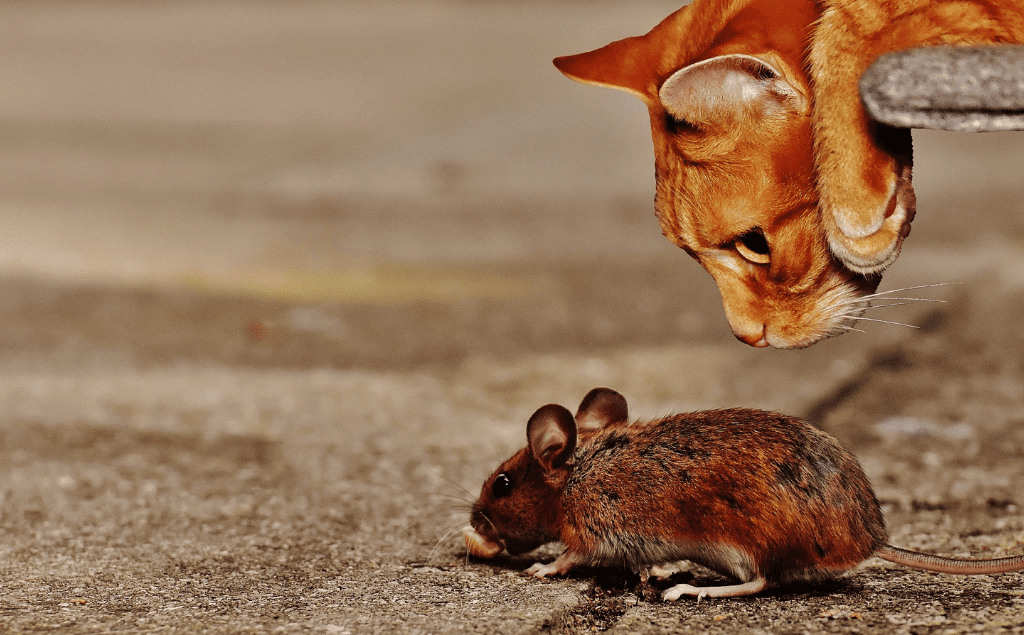
Secondary poisoning can occur when a pet eats a rodent that has ingested rodenticide. While the poison may not have been directly consumed by the dog or cat, the active ingredients (commonly anticoagulants or neurotoxins) can still be present in the rodent’s tissues.
Depending on the type of rodenticide involved, even a single exposure can be enough to cause clinical toxicity. This risk is often underestimated because pet owners assume danger only comes from eating bait directly, not from a poisoned animal in the environment.
Clinical signs vary based on the toxin but may include lethargy, weakness, pale gums, coughing or difficulty breathing (with anticoagulant rodenticides due to internal bleeding), or neurologic signs such as tremors, seizures, and agitation with neurotoxic compounds.
Because onset can be delayed—sometimes 24 hours to several days—pets may appear normal initially before rapidly deteriorating. Any known or suspected ingestion of a poisoned rodent should be treated as an emergency, and immediate veterinary evaluation is critical to determine exposure risk and begin preventative treatment if needed.
Key Takeaways
1. What should I do if my dog or cat ate rat poison?
Seek emergency veterinary care immediately. Bring the packaging if available and do not wait for symptoms to appear.
2. Can my pet get sick from eating a poisoned rodent?
Yes. While not as common, this is called secondary poisoning and can still lead to serious or life-threatening toxicity depending on the rodenticide involved.
3. How quickly will symptoms show after rodenticide ingestion?
Symptoms may appear within hours, but in many cases (especially anticoagulants), signs can be delayed 1–5 days.
4. Are all rodenticides equally dangerous?
No. Different active ingredients affect the body in different ways, and some are far more toxic than others.
5. Can rodenticide poisoning be treated?
Yes, but treatment depends on the type of poison and how quickly the pet is treated by a veterinarian.
6. What are common signs of rodenticide poisoning in pets?
Signs may include lethargy, weakness, vomiting, tremors, seizures, difficulty breathing, or unexplained bleeding.
7. Should I call ASPCA Poison Control or my vet first?
Call either immediately, but do not delay care; your veterinarian or an emergency hospital can begin treatment right away while coordinating with poison control.
Protecting Your Pet from Rodenticide Poisoning
While rodenticides are effective for pest control, even small exposures can have serious consequences for pets. Whether your dog finds a bait block in the garage, your cat catches a poisoned mouse, or you're simply concerned about your pet’s symptoms, it's important to act quickly.
If you suspect your pet has ingested rat poison or been exposed to a poisoned rodent, don't wait for symptoms to appear. Contact your primary or emergency veterinarian or the ASPCA Poison Control right away!
Recent Posts
About Us
At Emergency Veterinary Care Centers (EVCC), we know that pet emergencies are unpredictable and often stressful. That's why our team, with over 20 years of emergency and critical care experience, is ready to assist you and your pet in the toughest situations.