


Pancreatitis in Dogs: Symptoms, Causes, and What to Do
Quick answer: Pancreatitis in dogs is inflammation of the pancreas that can range from mild to life-threatening. Common symptoms include vomiting, loss of appetite, abdominal pain, lethargy, and diarrhea. Prompt veterinary care is essential—early diagnosis of pancreatitis and treatment significantly improve recovery outcomes and reduce the risk of complications.
Your dog seemed fine at breakfast. By afternoon, they're hunched over, refusing food, and vomiting repeatedly. Something is clearly wrong... but what?
Pancreatitis is an inflammation of the pancreas that can be acute or chronic in duration and can range from mild to severe. Knowing what to look for and when to act could make all the difference for your pet.
This guide breaks down everything you need to know; what pancreatitis is, why it happens, how to recognize it, and what to expect from treatment and recovery.
What Is Pancreatitis in Dogs?
The pancreas is a small but vital organ tucked near your dog's stomach and small intestine. Just like in humans, it has two main jobs: producing digestive enzymes that break down food and regulating blood sugar through hormones like insulin.
Pancreatitis occurs when the pancreas becomes inflamed. In a healthy dog, digestive enzymes are released into the small intestine in their inactive form and only become active once they arrive there. With pancreatitis, those enzymes activate too early; essentially beginning to digest the pancreas itself. The result is painful, and without treatment, potentially dangerous.
Pancreatitis can present in two forms:
- Acute pancreatitis: Sudden onset, ranging from mild discomfort to a severe, life-threatening emergency
- Chronic pancreatitis: A longer-term, recurring condition that causes ongoing damage to the pancreas over time and is marked by unhealthy weight loss.
Both forms require veterinary attention. Neither should be managed with a "wait and see" approach.
What Are the Symptoms of Pancreatitis in Dogs?
Recognizing pancreatitis early is one of the most important things you can do as a pet owner. The symptoms can vary in severity, but the most common clinical signs* include:
- Vomiting (often repeated)
- Loss of appetite or complete refusal to eat
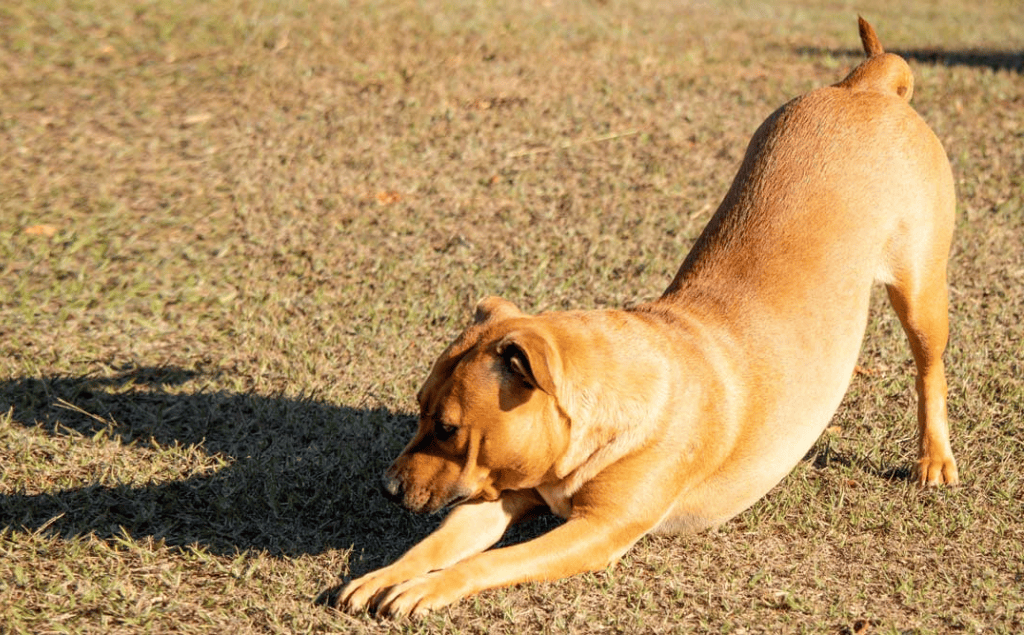
- Abdominal pain: Your dog may hunch their back, guard their belly, or take on a "prayer position" (front legs stretched forward, rear end elevated)
- Lethargy or unusual weakness
- Diarrhea
- Fever
- Dehydration
In severe cases, dogs may also show signs of labored breathing, a rapid heart rate, or collapse; these are all signs of shock. If your dog is displaying any combination of these symptoms, especially vomiting alongside abdominal pain, contact an emergency veterinarian immediately. Severe pancreatitis is a medical emergency.
*The clinical signs commonly associated with pancreatitis in dogs are not specific to pancreatitis. Because these symptoms overlap with conditions such as dietary indiscretion, gastroenteritis, intestinal obstruction, inflammatory bowel disease, and other illnesses, clinical signs alone cannot confirm a diagnosis of pancreatitis.
Additional diagnostic testing and interpretation of the patient’s overall clinical picture is needed to determine whether pancreatitis is truly present.
What Causes Pancreatitis in Dogs?
There isn't always a single, clear cause. Pancreatitis is often triggered by a combination of factors, and in some cases, the cause remains unknown. That said, several common triggers have been identified.
1. High-Fat Meals and Sudden Dietary Changes
One of the most well-documented triggers is a high-fat meal or ingestion of unusual food items. Feeding your dog fatty table scraps, especially around the holidays, is a classic culprit. A dog that raids the trash and consumes large amounts of fatty food is at serious risk of an acute episode.
2. Breed Predisposition
Certain breeds are genetically more prone to pancreatitis. Miniature Schnauzers have a known predisposition due to a tendency toward high blood triglyceride levels. Cocker Spaniels, Poodles, and Yorkshire Terriers are also considered higher-risk breeds.
3. Other Contributing Factors
Additional risk factors include:
- Obesity: Overweight dogs face a higher likelihood of developing pancreatitis
- Certain medications: Drugs like phenobarbital, potassium bromide, furosemide and some antibiotics have been associated with triggering inflammation
- Underlying health conditions: Hypothyroidism, diabetes, hyperadrenocorticism, (Cushing's) and hyperlipidemia (elevated blood fats) can increase susceptibility
- Trauma or surgery: Physical stress to the abdominal area can sometimes precede an episode
- Toxin exposure: Ingestion of certain toxins like zinc, organophosphates, or garbage
How Do Vets Diagnose Pancreatitis?
If you bring your dog in with suspected pancreatitis, your veterinarian will begin with a physical examination and a review of your dog's recent diet and medical history. Diagnosis typically involves:
- Blood tests: A specific test measuring canine pancreatic lipase (cPL*) is the most reliable diagnostic marker for inflammation of the pancreas.
- Ultrasound: Abdominal imaging can reveal inflammation or abnormalities in the pancreas
- Complete blood panel: To assess overall organ function and rule out other conditions
- Radiographs: To rule out a foreign body near the pancreas
Early and accurate diagnosis is critical. The sooner pancreatitis is confirmed, the sooner treatment can begin, and the better the outlook for your dog.
* An elevated canine pancreatic lipase (cPL) can support a diagnosis of pancreatitis, but a high cPL value alone does not definitely confirm pancreatitis. cPL results should be interpreted alongside your dog’s clinical signs, physical examination findings, and history as well as other laboratory results.
Other gastrointestinal or systemic inflammatory conditions, particularly those involving organs near the pancreas, may be associated with an increased cPL.
How Is Pancreatitis in Dogs Treated?
Treatment for pancreatitis depends on the severity of the condition. Mild cases may be managed on an outpatient basis, while moderate to severe cases typically require hospitalization.
1. Supportive Care
There is no specific drug that "cures" pancreatitis. Instead, treatment focuses on supporting the body while the pancreas heals:
- IV fluids: To combat dehydration and maintain organ function
- Pain management: Pancreatitis is painful, and controlling that pain is a priority
- Anti-nausea medications: To reduce vomiting and encourage the dog to eat again
- Nutritional support: Contrary to older veterinary thinking, dogs are now encouraged to eat small, easily digestible meals as soon as they can tolerate food; prolonged fasting is no longer recommended as standard practice.For more severe cases in dogs that will not eat on their own, a nasogastric tube can be placed to trickle feed a nutritious liquid diet.
2. Monitoring for Complications
Severe pancreatitis can lead to serious complications, including organ failure, internal bleeding, or a life-threatening condition called systemic inflammatory response syndrome (SIRS). Close monitoring during hospitalization allows the veterinary team to respond quickly if the condition worsens.
Can Pancreatitis in Dogs Be Prevented?
Not always, but there are practical steps you can take to reduce your dog's risk.
- Avoid high-fat foods and table scraps, particularly during celebrations and holidays
- Introduce dietary changes gradually over 7–10 days to allow the digestive system to adjust
- Maintain a healthy weight through portion control and regular exercise
- Keep trash secured and out of reach
- Schedule regular veterinary check-ups, especially for at-risk breeds
If your dog has already had one episode of pancreatitis, the likelihood of recurrence is higher. Your veterinarian may recommend a long-term low-fat diet and routine monitoring of blood triglyceride levels.
Key Takeaways
1. What are the early warning signs of pancreatitis in dogs?
Early signs typically include vomiting, reluctance to eat, and lethargy. Some dogs adopt a "prayer position"—front legs stretched forward with the rear elevated—as a response to abdominal pain. Diarrhea may also occur. If your dog shows any combination of these symptoms, contact a veterinarian promptly.
2. Is pancreatitis in dogs life-threatening?
Pancreatitis can range from mild to severe and potentially life-threatening. Without prompt treatment, severe cases can lead to systemic inflammation, organ failure, and other serious complications that require intensive care. Seeking veterinary attention as soon as symptoms appear can help reduce the risk of these life-threatening complications.
3. What foods are most likely to cause pancreatitis in dogs?
Dogs should avoid high-fat foods entirely. This includes fatty meats, table scraps, processed treats, and greasy leftovers. A low-fat, easily digestible diet is generally recommended for long-term management.
4. How long does it take for a dog to recover from pancreatitis?
Recovery time depends on severity. Mild cases may resolve within a few days with proper care. Severe cases requiring hospitalization can take one to several weeks. Dogs with chronic pancreatitis may need ongoing dietary management and veterinary monitoring.
5. Which dog breeds are most prone to pancreatitis?
Miniature Schnauzers have the highest known genetic predisposition to pancreatitis, largely due to a tendency toward elevated blood triglycerides. Cocker Spaniels, Poodles, and Yorkshire Terriers are also considered higher-risk breeds.
6. Can pancreatitis in dogs recur after recovery?
Yes. Dogs that have experienced one episode of pancreatitis are more likely to have recurrences, particularly if dietary triggers are not addressed. Long-term management, including a low-fat diet and regular vet check-ups, can help reduce the frequency and severity of future episodes.
Act Fast—Your Dog Is Counting on You
Pancreatitis in dogs is a condition that rewards early action. When symptoms appear, minutes matter—especially in severe cases where rapid deterioration is possible.
If your dog is vomiting repeatedly, refusing food, or showing signs of abdominal pain, don't wait to see if it passes. Reach out to a veterinarian right away. At EVCC, our compassionate and skilled team is available 24/7* to assess, diagnose, and treat your pet with the urgent, dedicated care they deserve.
*Please visit www.evcc.com/locations for your local EVCC’s specific hours.
Recent Posts
About Us
At Emergency Veterinary Care Centers (EVCC), we know that pet emergencies are unpredictable and often stressful. That's why our team, with over 20 years of emergency and critical care experience, is ready to assist you and your pet in the toughest situations.