


How to Protect Your Dog from Xylitol Poisoning
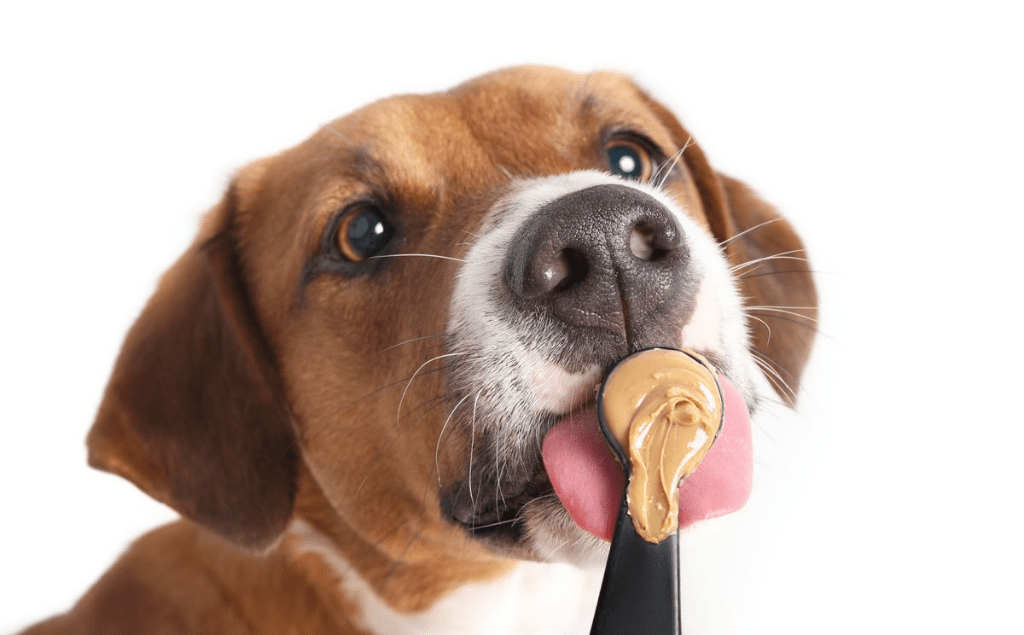
Did you know that a single piece of gum, or one spoonful of sugar-free peanut butter, could threaten your dog's life? We know how much your furry family members mean to you and keeping them safe is your top priority. But some of the most dangerous toxins are right in our own pantries and medicine cabinets.
One of the most severe hidden dangers is xylitol. Understanding what xylitol is, where it hides, and how to respond could save your pet's life.
What is Xylitol and Why is it So Toxic to Dogs?
Xylitol, or birch sugar, is a common, naturally occurring sugar substitute. While it is perfectly safe for humans—and even helps prevent cavities—it is highly toxic to dogs.
When a dog ingests xylitol, their pancreas confuses it with real sugar and releases a massive amount of insulin. This sudden insulin spike causes a dangerous drop in blood sugar, known as hypoglycemia. Without immediate treatment, this rapid drop can lead to extreme lethargy, seizures, coma or even death.
Xylitol can also cause destruction of liver cells (hepatic necrosis), leading to significant liver injury. As the liver becomes damaged, its ability to produce important clotting factors is impaired, which can result in clotting abnormalities and increase the risk of internal bleeding.
Where is Xylitol Commonly Found?
Checking labels is the single best way to protect your pet. Xylitol (or birch sugar) is frequently found in products labeled "sugar-free," "diet," or "no added sugar."
Keep a close eye on:
- Sugar-free chewing gum and breath mints
- Peanut butter and other nut butters (Always check the label before using it to stuff toys or hide pills!)
- Baked goods and diet desserts
- Dental care products like toothpaste and mouthwash
- Over-the-counter (OTC) medications and vitamins
In 2025, the ASPCA Animal Poison Control Center (APCC) hotline assisted more than 10,600 animals who had been exposed to xylitol, including dogs.

Read our "sugar free gum in dogs" success story featuring Josie,
the dog who ate gum with xylitol, from EVCC Kalamazoo.
Symptoms of Xylitol Poisoning in Dogs
No matter how small the amount is, xylitol poisoning is almost always an emergency. Symptoms can appear incredibly fast, as soon as 30 minutes to 2 hours after ingestion. Watch for these critical warning signs, such as:
- Vomiting
- Weakness or lethargy
- Difficulty walking, standing, or loss of coordination
- Tremors or seizures
If you notice any of these symptoms, or if you even suspect your dog has eaten something containing xylitol, do not wait. Emergency veterinary intervention dramatically improves your pet's chances of a full recovery. Early treatment is the key to managing hypoglycemia and preventing permanent liver damage.
How is Xylitol Toxicity in Dogs Treated?
Treatment for Xylitol toxicity depends on how quickly the exposure is identified and the severity of the dog’s condition.
Typical treatment approaches by veterinarians can include:
- Decontamination: Inducing vomiting if the ingestion was recent.
- Blood sugar stabilization: IV dextrose to address hypoglycemia.
- Supportive care: Oral or IV liver protection medications to manage clinical signs.
- Monitoring: Frequent blood glucose checks and lab work to assess liver function and clotting times.
- Overnight hospitalization: Observation for the day in mild cases, or several days in more severe cases.
With prompt treatment and close monitoring, many dogs can recover well, but outcomes depend on the amount ingested and how quickly care is initiated.
Prevention and Keeping Your Home Safe
Prevention is your pet's first line of defense. To keep your dog safe from xylitol toxicity, follow these simple steps:
- Check every label: Make it a habit to double-check the ingredient list on any human food you share with your dog, especially peanut butter.
- Choose safe alternatives: Stick to quality, dog-specific treats and vet-approved safe foods.
- Secure your products containing xylitol: Store sugar-free gums, candies, and medications securely in high cabinets or locked drawers, far out of reach of curious paws.
- Educate your family: Make sure everyone in your household (especially children) knows the dangers of sharing sugar-free treats with the dog.
Key Takeaways
1. What is xylitol and why is it dangerous for dogs?
Xylitol toxicity occurs when dogs ingest xylitol, a common sugar substitute found in many “sugar-free” products. In dogs, it triggers a rapid insulin release, causing a dangerous drop in blood sugar (hypoglycemia). In severe cases, it can also lead to internal bleeding, liver failure or death.
2. How much xylitol is toxic to dogs?
Even small amounts of xylitol can be dangerous for dogs. Toxicity varies depending on the dog’s size and the amount ingested, but any exposure should be treated as a potential emergency.
3. How quickly do symptoms appear after ingestion?
Symptoms often develop within 10 to 60 minutes after ingestion, although in some cases they may be delayed. Because signs can progress rapidly, immediate action is critical.
4. What are the most common symptoms of xylitol poisoning?
Common symptoms include vomiting, weakness or lethargy, loss of coordination or difficulty walking, tremors, and seizures.
5. What should I do if I think my dog consumed xylitol?
If you suspect your dog has ingested xylitol, contact the ASCPA APCC hotline at (888) 426-4435 and seek emergency veterinary care. Do not wait for symptoms to appear, as early treatment significantly improves the chances of recovery.
6. How is xylitol toxicity treated in dogs?
Treatment may include inducing vomiting if the ingestion was recent, administering IV dextrose to stabilize blood sugar, providing IV fluids, giving medications to manage symptoms, and closely monitoring blood glucose and organ function. In severe cases, a plasma transfusion may be needed to replace clotting factors
Depending on severity, hospitalization may last from several hours to multiple days.
7. Can a dog recover from xylitol poisoning?
Yes, many dogs can recover fully when treatment is started promptly. Prognosis is best when care begins before symptoms develop, or complications occur. If liver damage develops, more intensive treatment is required, but outcomes can still be positive with appropriate care.
8. How can I prevent xylitol poisoning?
Prevention includes carefully reading ingredient labels, avoiding sharing human foods unless confirmed xylitol-free, storing products securely out of your dog’s reach, and educating household members about the risks of giving sugar-free items to pets.
9. Is xylitol poisoning always an emergency?
Yes. Any suspected exposure to xylitol should be treated as an emergency. Even if your dog is not yet showing symptoms, immediate veterinary attention is essential for the best possible outcome.
What to Do in an Emergency
Are you worried your dog just ate something they shouldn't have? Don't panic, but do act immediately.
At Emergency Veterinary Care Centers (EVCC), our independent network of dedicated hospitals is available 24/7/365. We are always here for emergencies, and our trusted team is fully equipped to provide lifesaving, compassionate care the moment you walk through our doors.
If you suspect your dog has ingested xylitol, call us or bring your pet to your nearest EVCC right away. Your quick action, paired with our dedicated care, can be your pet's emergency lifeline.
Recent Posts
About Us
At Emergency Veterinary Care Centers (EVCC), we know that pet emergencies are unpredictable and often stressful. That's why our team, with over 20 years of emergency and critical care experience, is ready to assist you and your pet in the toughest situations.