


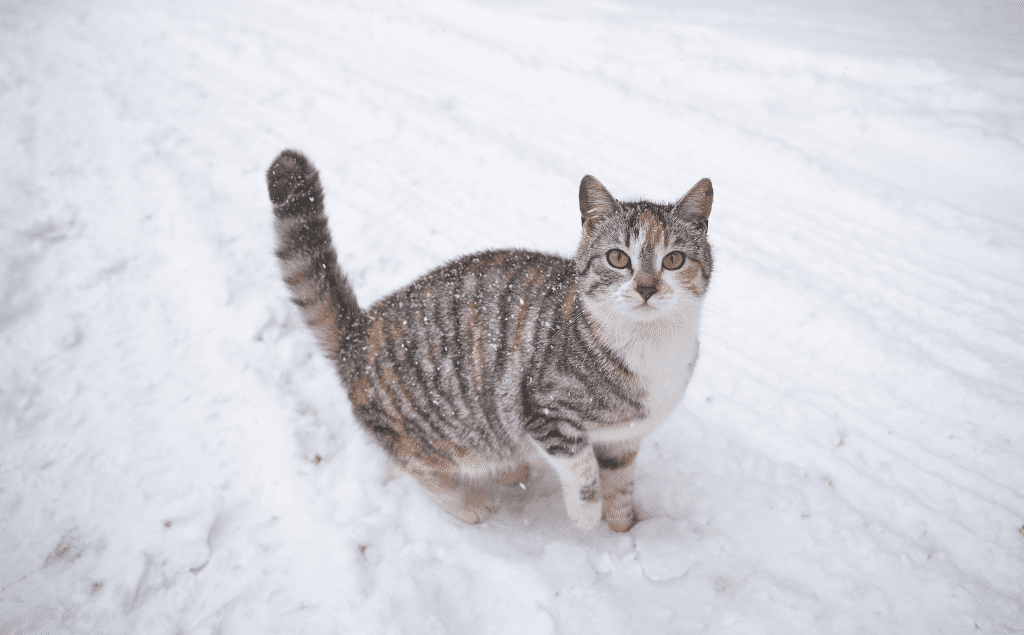
A Cat Owner’s Guide to Winter Safety and Cold Weather Hazards
Many people look at cats, with their plush coats and independent attitudes, and assume they are perfectly equipped to handle whatever nature throws their way. We see them staring out the window at the falling snow and wonder if they might enjoy a romp in the powder. However, the reality of winter weather is far less picturesque for our feline companions.
Despite their fur coats, domestic cats are not built for extreme cold. Winter brings a host of both obvious and hidden dangers that can threaten their health and safety, from hypothermia to toxic chemicals used on icy driveways. As responsible pet owners, it is our job to recognize these risks and take steps to protect our beloved pets.
This guide will walk you through the specific hazards winter poses to cats, the signs of cold-weather distress you need to watch for, and actionable advice on how to keep your cat safe, warm, and healthy during the cold months.
Whether you have a strict indoor kitty or care for neighborhood strays, understanding these risks is the first step in being their emergency lifeline.
The Reality of Winter Risks for Cats
While cats are resourceful creatures, they are not immune to the cold. The drop in temperature affects them just as it affects us, and their small bodies can lose heat rapidly.
1. Can Cats Get Sick from Cold Weather?
Yes, cats can get sick from exposure to cold weather. Just like humans, prolonged exposure to freezing temperatures can weaken a cat's immune system, making them more susceptible to upper respiratory infections. Furthermore, the cold itself can lead to severe, life-threatening conditions.
The two most significant cold-weather medical emergencies are hypothermia and frostbite.
Hypothermia
Hypothermia occurs when a cat's body temperature drops below normal levels. It can range from mild to severe.
- Mild Hypothermia: You might notice your cat shivering uncontrollably. They may seek out warm spots aggressively or curl into a tight ball. Even mild cases can worsen rapidly and become life-threatening, especially in kittens, seniors or immunocompromised cats.
- Severe Hypothermia: As the condition worsens, the shivering may stop. The cat becomes lethargic, their breathing and heart rate slow down, and they may become unresponsive. This is a critical veterinary emergency that requires immediate care.
Frostbite
Frostbite happens when extreme cold damages the skin and tissues. It typically affects the extremities where blood flow is more limited, such as the ears, tail, and paws. The signs of frostbite include...
- Early Stage: Skin looks pale, gray, or bluish. It feels cold and hard.
- Later Stage: Swelling, blisters, ulcers, or blackened/dead skin. Your cat may also experience loss of sensation.
- Behavioral: Limping, reluctance to move, or excessive licking of affected areas.
Once you move your cat to a warm, dry area, you need to seek immediate veterinary care, as they can provide pain relief, antibiotics and address any other underlying issues that the frostbite might have caused.
2. Can Cats Survive Outside in the Winter?
Technically, feral cats have adapted to survive outdoors, but "survive" does not mean "thrive," and it certainly doesn't mean they are safe. For a domestic house cat accustomed to climate control, being left outside in freezing temperatures can be fatal.
Even for outdoor-savvy cats, the risks are high. They risk exposure to trauma from seeking warmth in dangerous places (like car engines), getting lost because snow masks familiar scents, or succumbing to the elements if they cannot find adequate shelter. Simply put, the safest place for any cat during the winter is inside a warm home.
Hidden Dangers of Winter
The cold isn't the only hazard winter brings. Our efforts to combat the ice and snow can inadvertently create a toxic environment for our pets.
1. Antifreeze Toxicity
One of the deadliest winter hazards is antifreeze (ethylene glycol). It has a sweet taste that attracts animals, but even a tiny amount—less than a teaspoon—can be fatal to our pets.
- The Danger: Cats may walk through spilled antifreeze on a driveway or garage floor and then lick it off their paws while grooming.
- Symptoms: Signs of poisoning appear quickly and can include a "drunken" appearance, vomiting, excessive thirst, and lethargy. Kidney failure can follow rapidly.
- Prevention: Switch to pet-safe antifreeze (propylene glycol-based). Always clean up spills immediately and thoroughly. If you suspect your cat has ingested antifreeze, seek emergency veterinary care immediately.
2. Rock Salt and De-icers
Chemicals used to melt ice on sidewalks and roads can irritate a cat's sensitive paw pads. Prolonged contact can cause chemical burns, cracking, and bleeding. Furthermore, like antifreeze, these chemicals can be ingested during grooming, leading to digestive upset and toxicity.
Vet Safety Tip: Wipe your cat's paws with a warm, damp cloth immediately if they have been outside or if you track these chemicals indoors on your shoes.
3. Car Engines
Seeking warmth, outdoor cats often climb into the wheel wells or under the hoods of cars that have recently been parked.
- The Risk: When the engine is started again, the cat can be severely injured or killed by the moving parts.
- The Solution: Make it a habit to bang your hood or honk your horn before starting your car in the winter. This simple action can save lives.
Caring for Community Cats in the Cold
If you are caring for feral or stray cats in your neighborhood, they rely on you more than ever during the winter months. Since bringing them indoors might not be an option, you can provide life-saving support outdoors.
How to Keep Outdoor Cats Warm in Winter
The key is providing a dry, wind-proof shelter. It doesn't have to be fancy to be effective.
- Build or Buy a Shelter: A sturdy plastic tote bin or a dedicated wooden cat house works well.
- Insulate Correctly: This is crucial. Do not use blankets or towels. Fabric absorbs moisture and freezes, effectively stealing heat from the cat's body. Instead, use straw (not hay). Straw repels moisture and allows cats to burrow, trapping their body heat effectively.
- Elevation: Raise the shelter off the ground using bricks or a pallet to prevent the cold ground from soaking through the floor.
- Entrance Size: Keep the opening small (about 6 inches) to keep out larger predators and minimize drafts. A flap made of heavy plastic can help keep the wind out.
Additionally, ensure they have access to fresh food and water. Water sources freeze quickly in winter. Use heated water bowls if you have access to an outlet or check and break the ice in water bowls multiple times a day. Increasing their food intake is also helpful, as they burn more calories just by trying to stay warm.
A Warm Home is a Safe Home
The winter months are beautiful, but they require extra vigilance from pet owners. By keeping your cats indoors, being mindful of chemical hazards, and knowing the signs of cold stress, you can ensure your feline family members stay happy and healthy all season long.
However, if accidents happen, or if you are worried about your pet's health after cold exposure, never hesitate to reach out. Our compassionate, dedicated veterinary team is always here for emergencies, ready to provide the high-quality care your pet deserves.
Recent Posts
About Us
At Emergency Veterinary Care Centers (EVCC), we know that pet emergencies are unpredictable and often stressful. That's why our team, with over 20 years of emergency and critical care experience, is ready to assist you and your pet in the toughest situations.